2080 Peabody Ave, Memphis, Tennessee 38104
Three bedrooms, two and a half baths
Approximately 3,500 square feet
Sold for $815,000 in August 2026
Designed to house an architectural practice without disrupting the peace of its residential setting, 2080 Peabody Avenue is now a residence that offers peace in the center of the city.
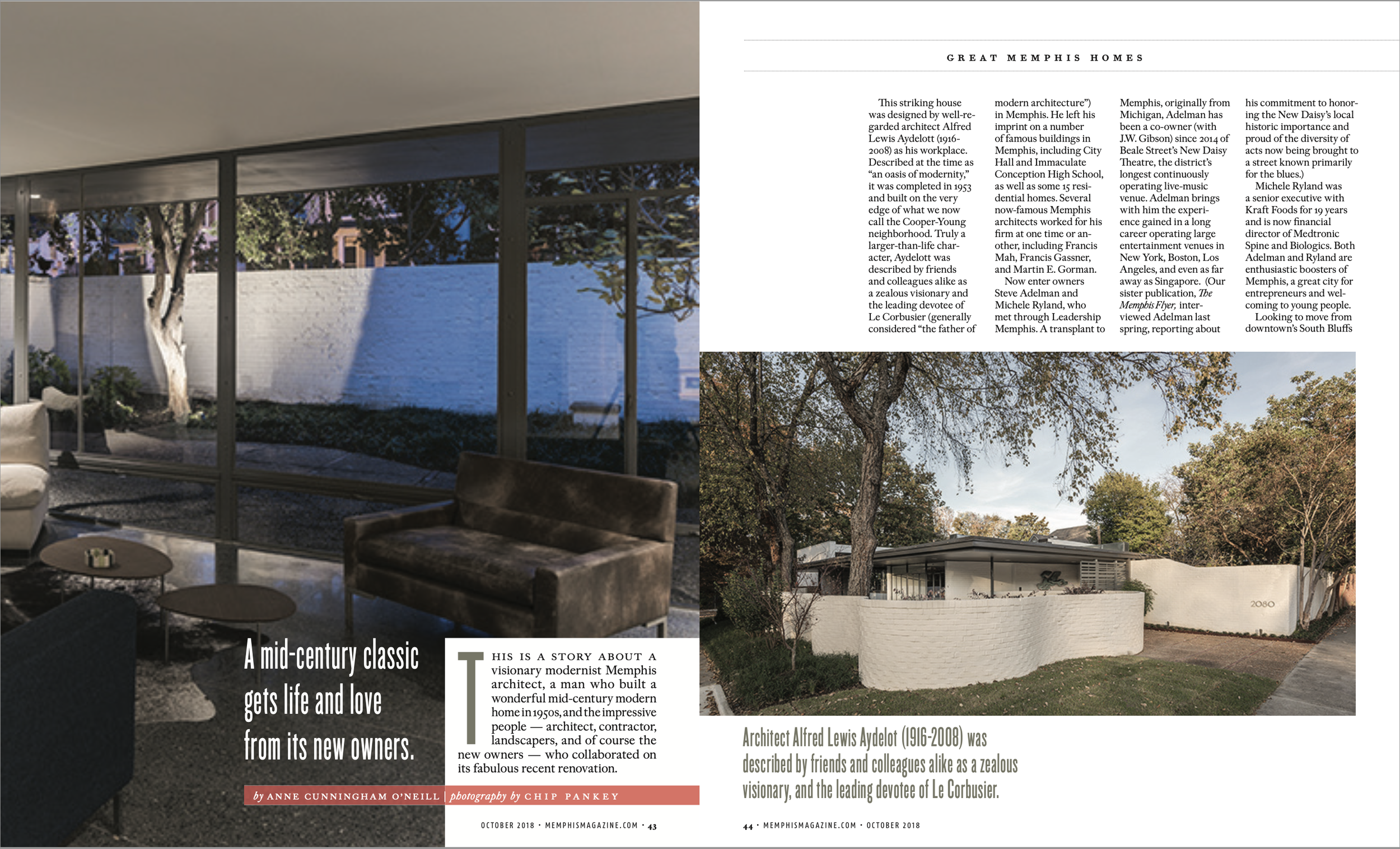
Architect A. L. Aydelott’s office was unlike any other building in Memphis and it remains a truly outstanding example of modern architecture. The owners have transformed it into a home while preserving its historic character and signature design elements like terrazzo floors, clerestory windows, and skylights. The result is a remarkable combination of welcoming warmth and cool serenity.
Enjoy the play of light throughout the day and the changing shadows with each season. Lushly-landscaped private courtyards, open plan, and the huge chef’s kitchen make it a great home for hosting. The original serpentine brick wall hides verdant gardens and provides privacy for the open plan interiors. Just a short distance to Fresh Market, live theater, multiple restaurants, and even to the movies. Spend weekends at Overton Park or go to a Grizzlies game and be home in ten minutes.
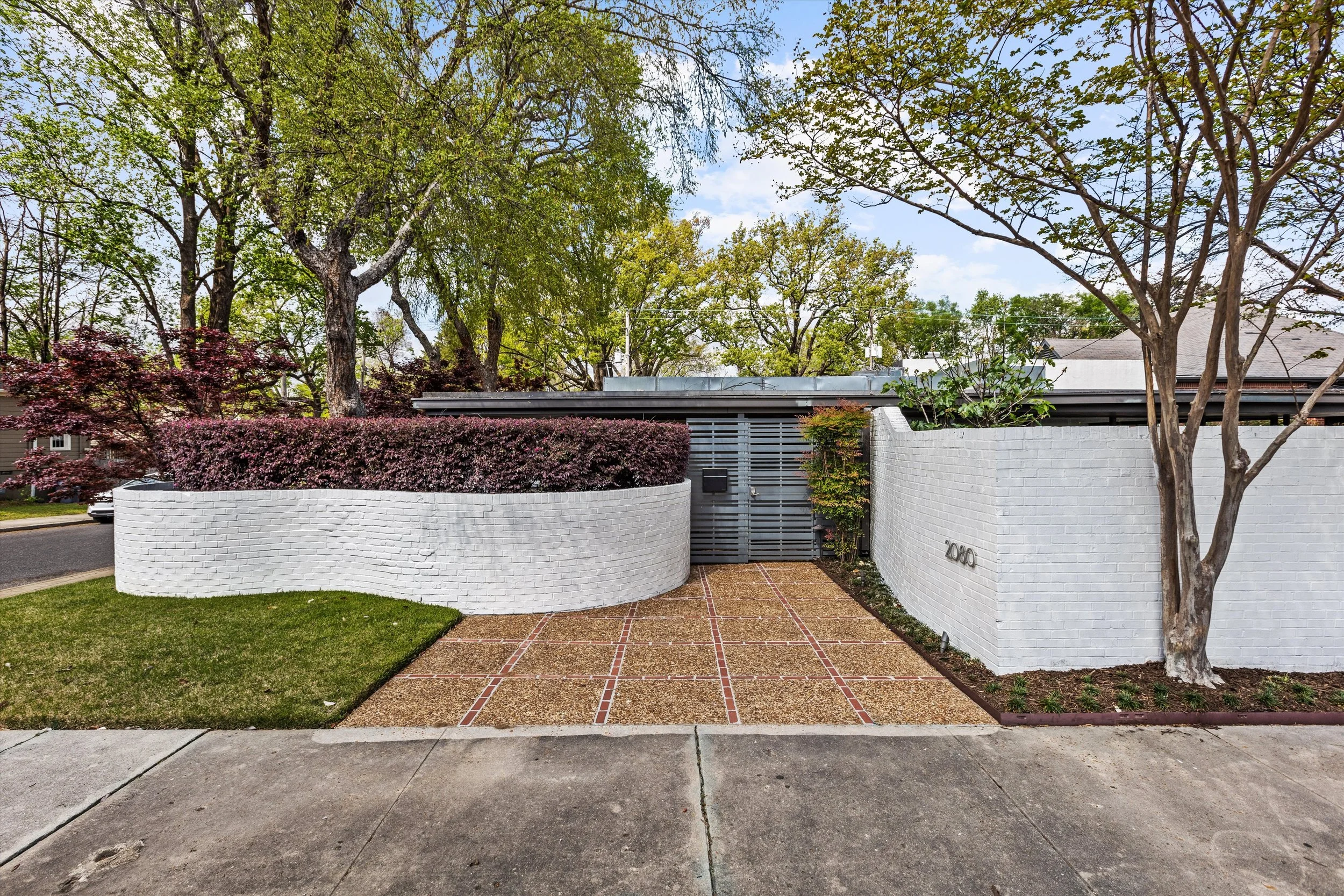
Very private entrance
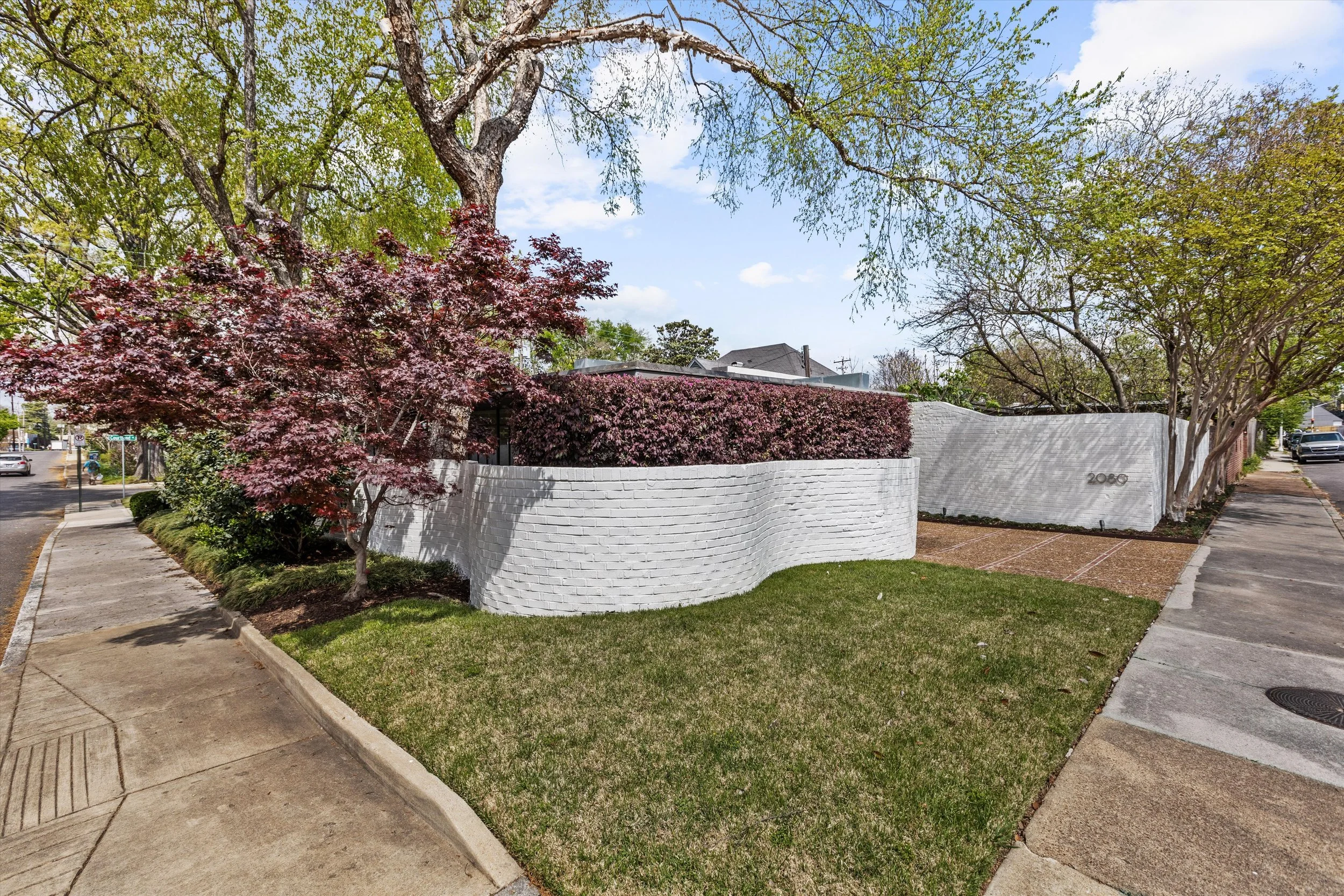
Enveloped by a curved wall
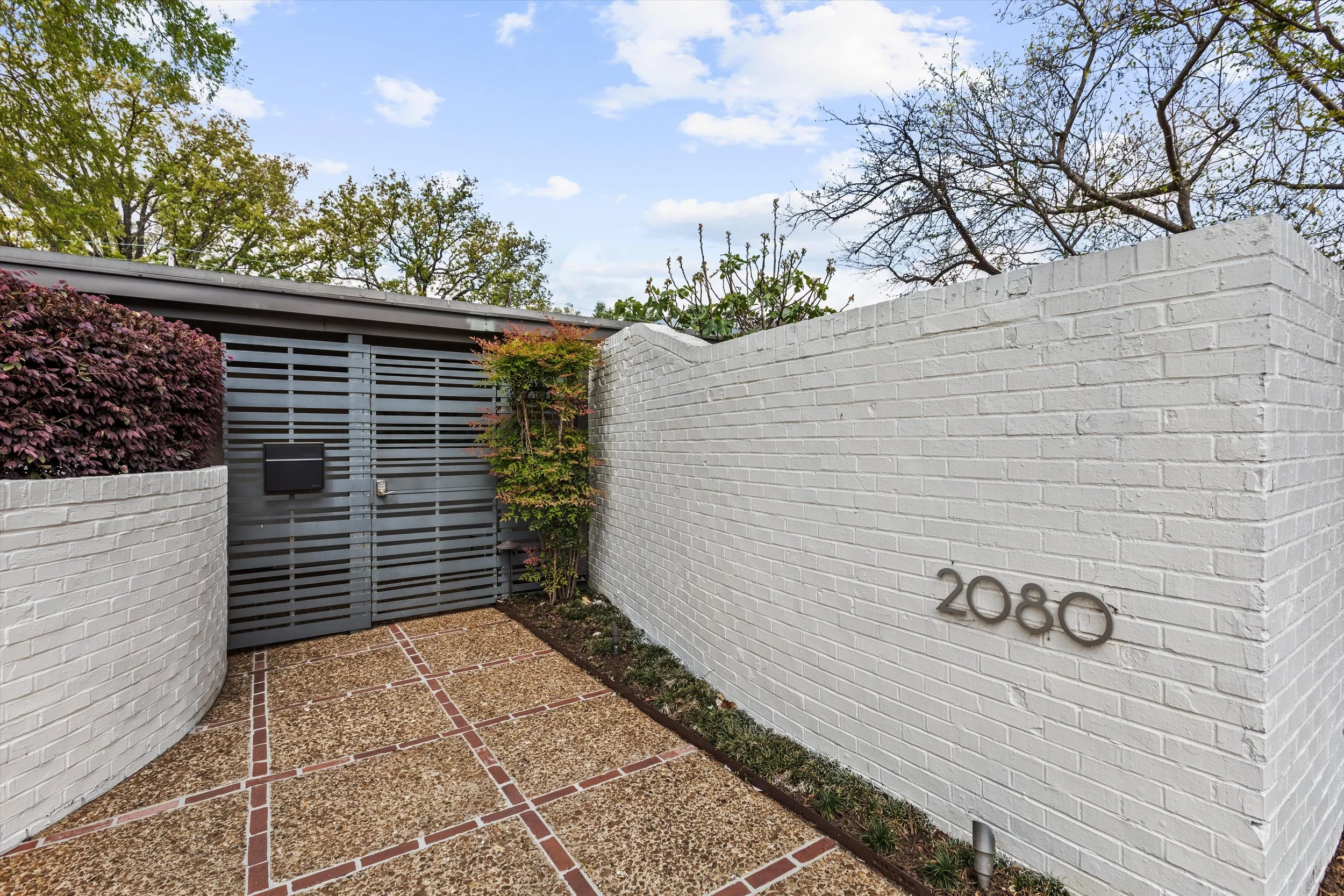
Entrance to 2080 Peabody
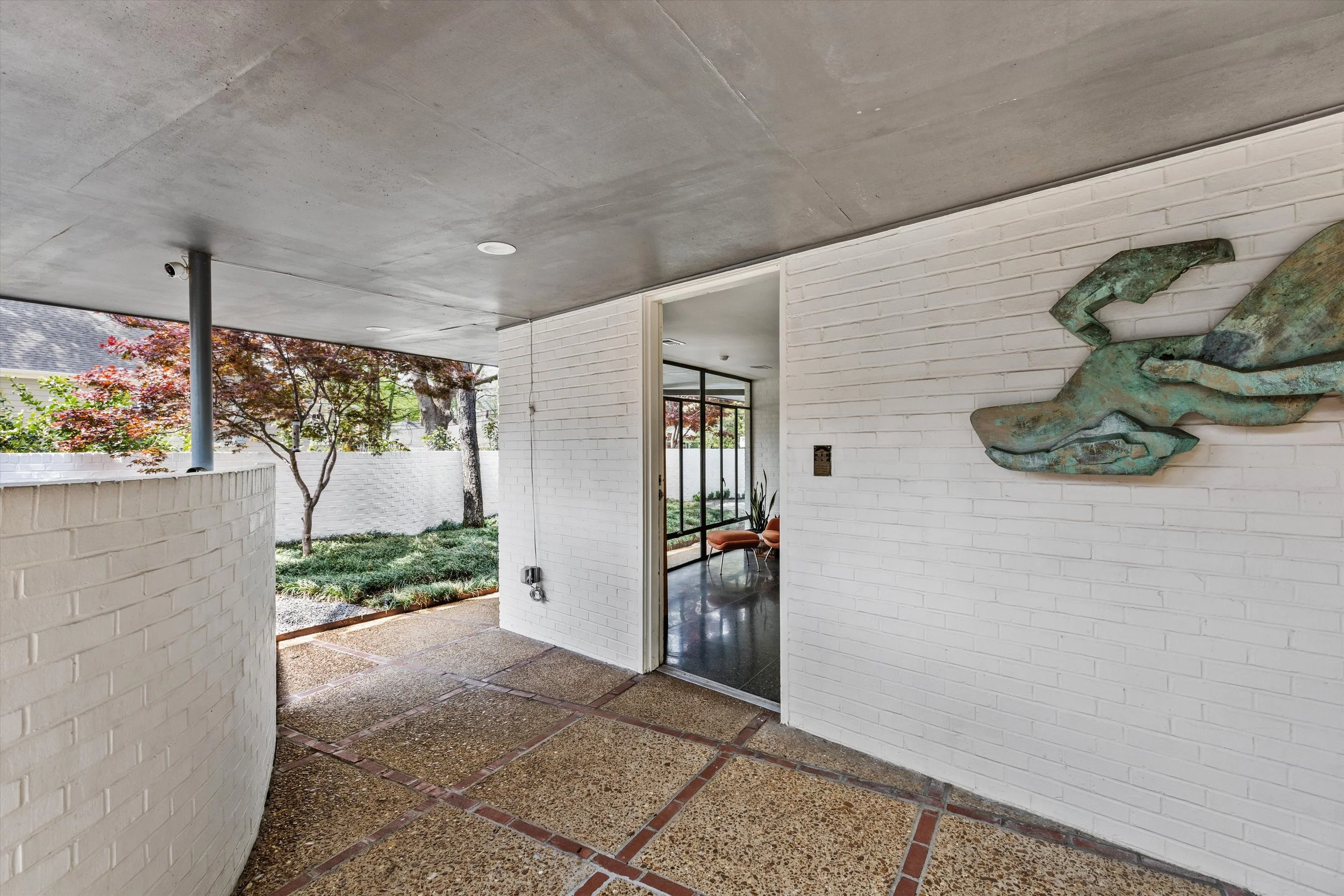
Covered patio with Ted Rust sculpture
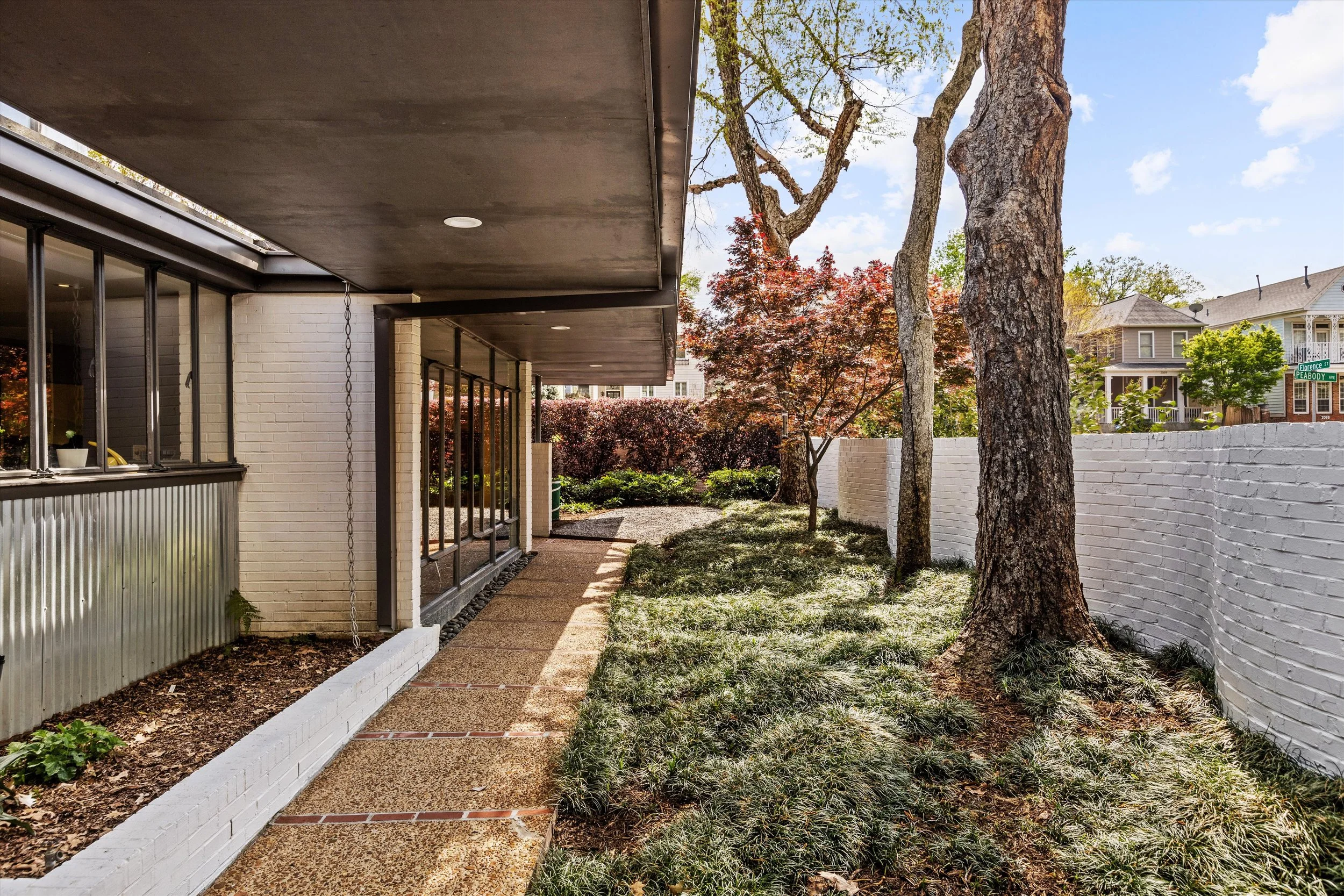
Side garden with curved wall
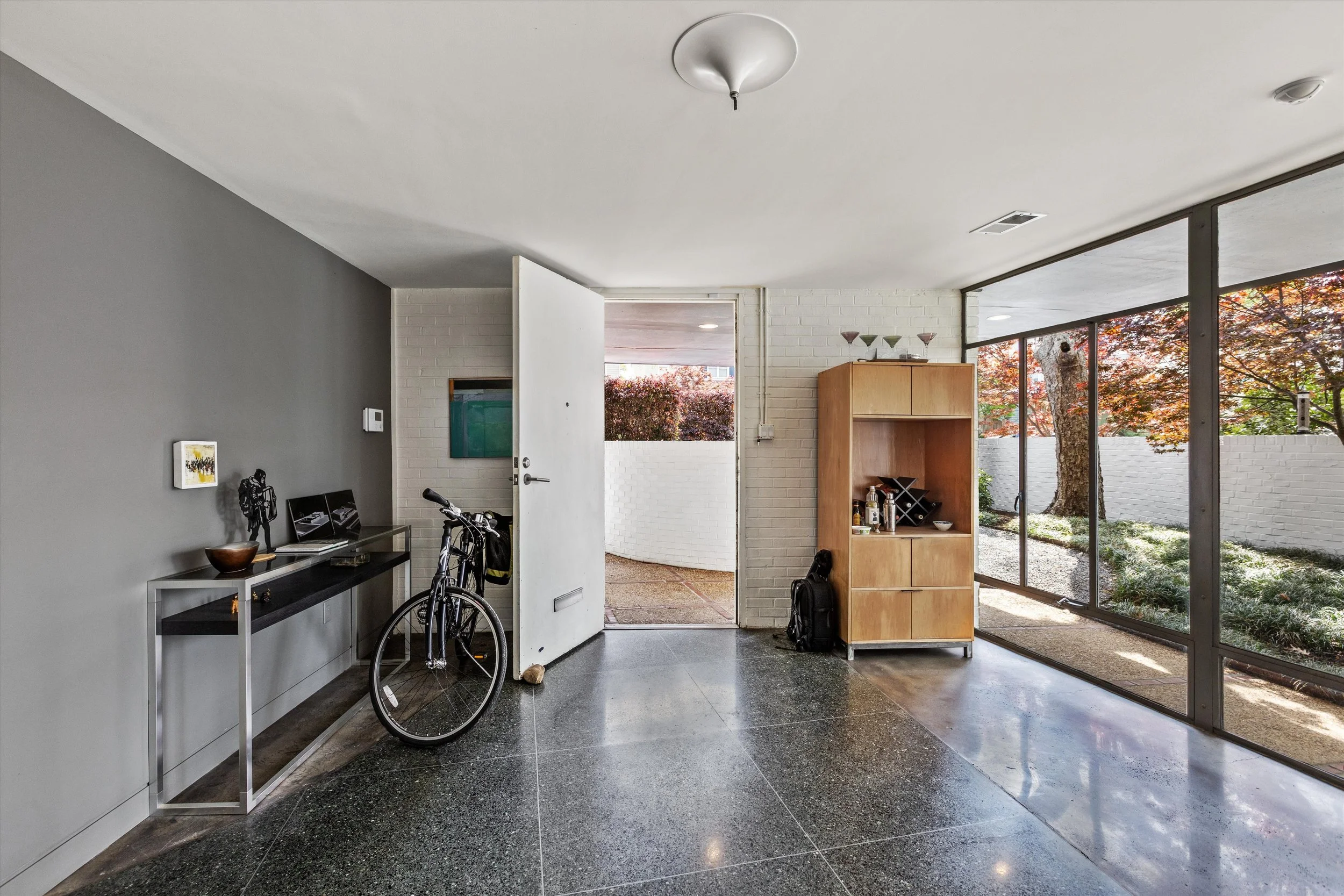
Entry foyer with terrazzo floors
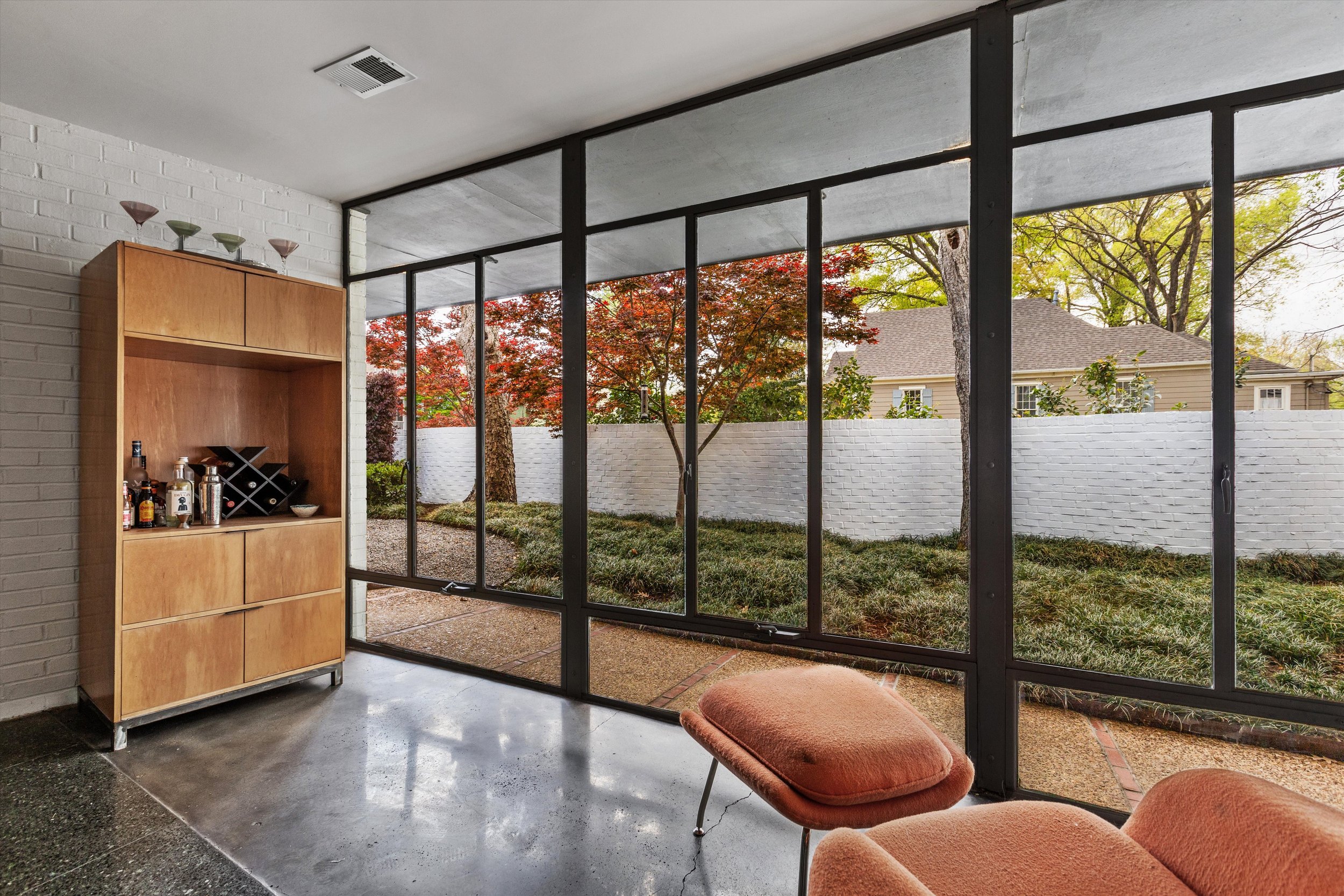
Floor to ceiling windows embrace the view
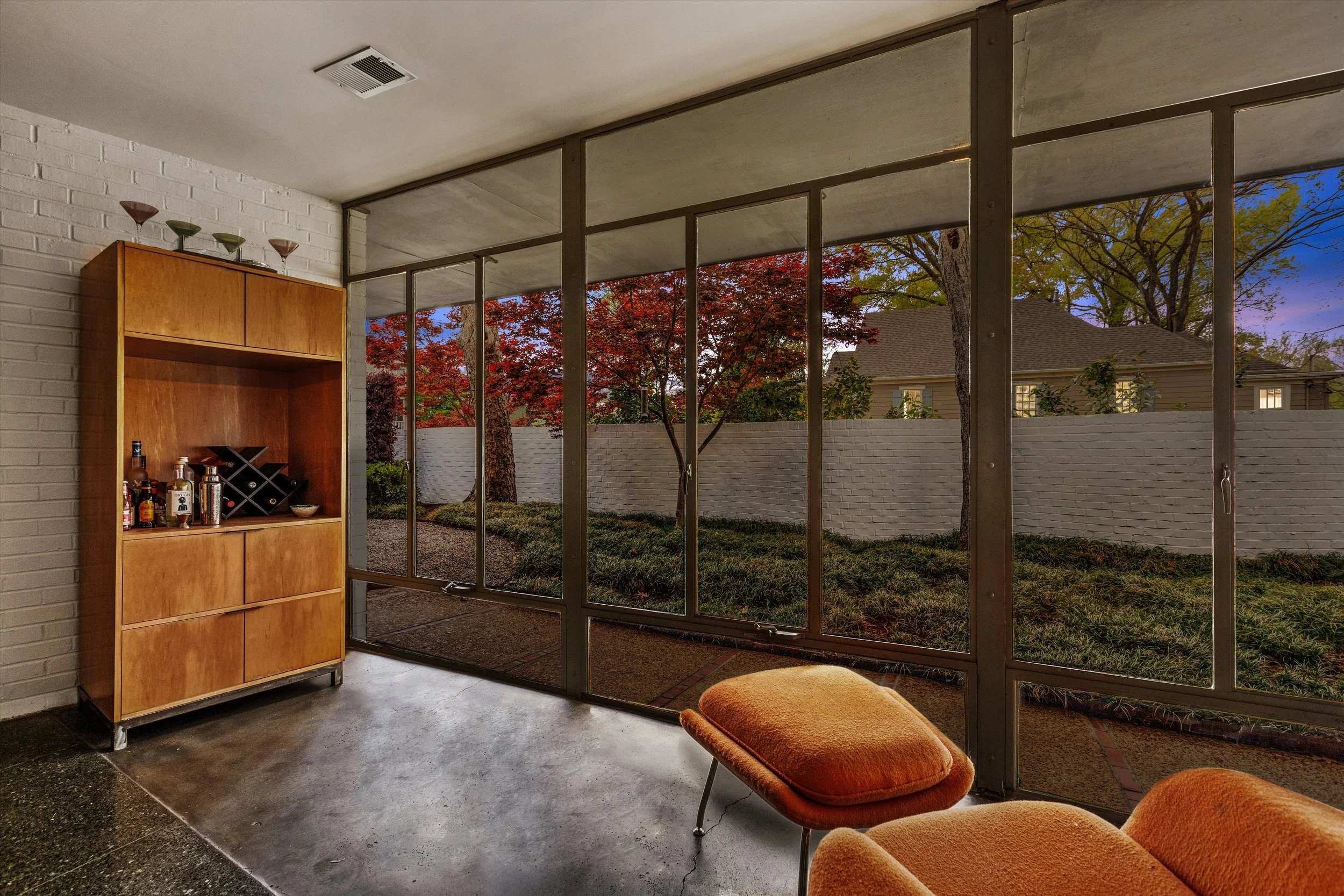
Foyer in the evening
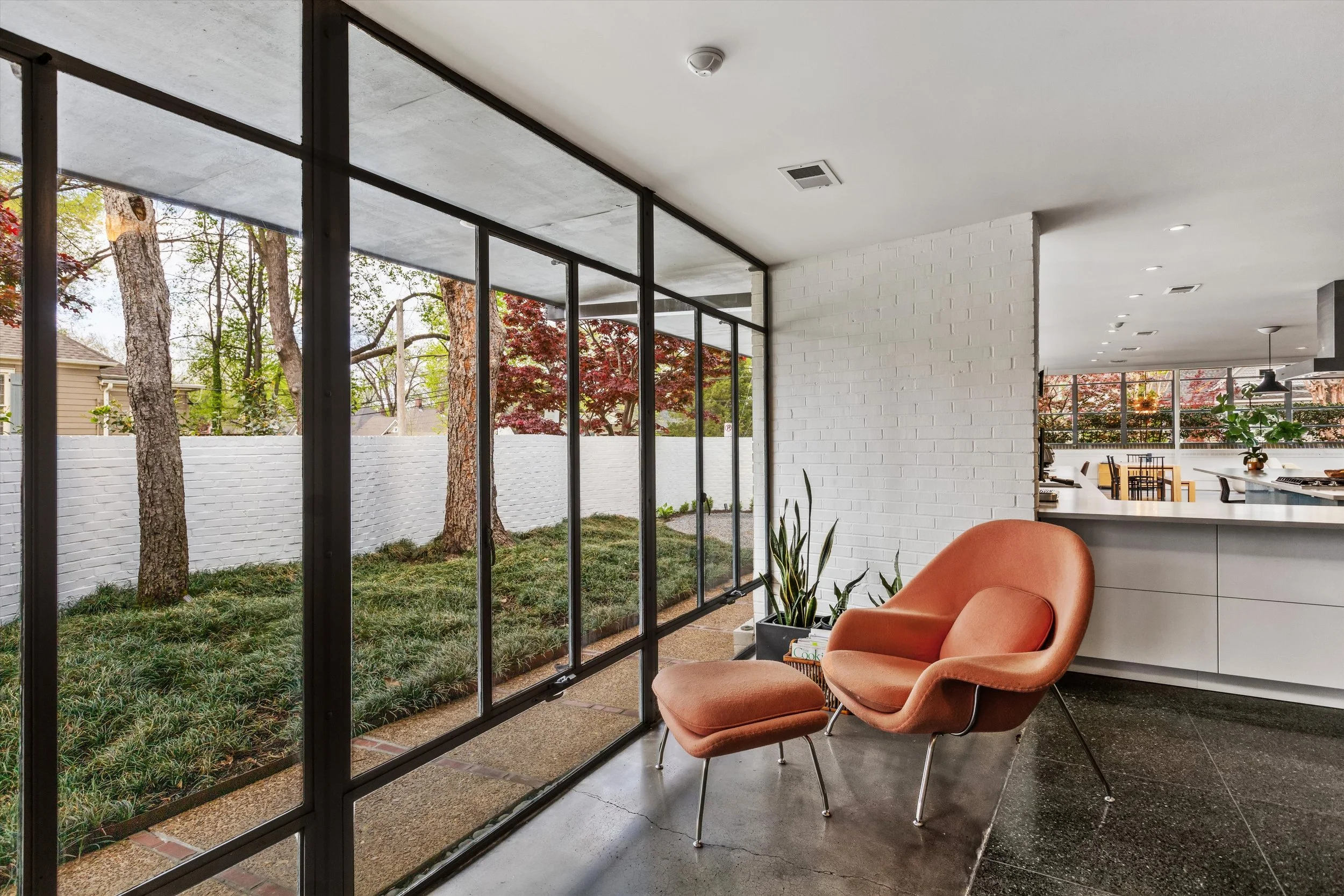
Landscaped grounds
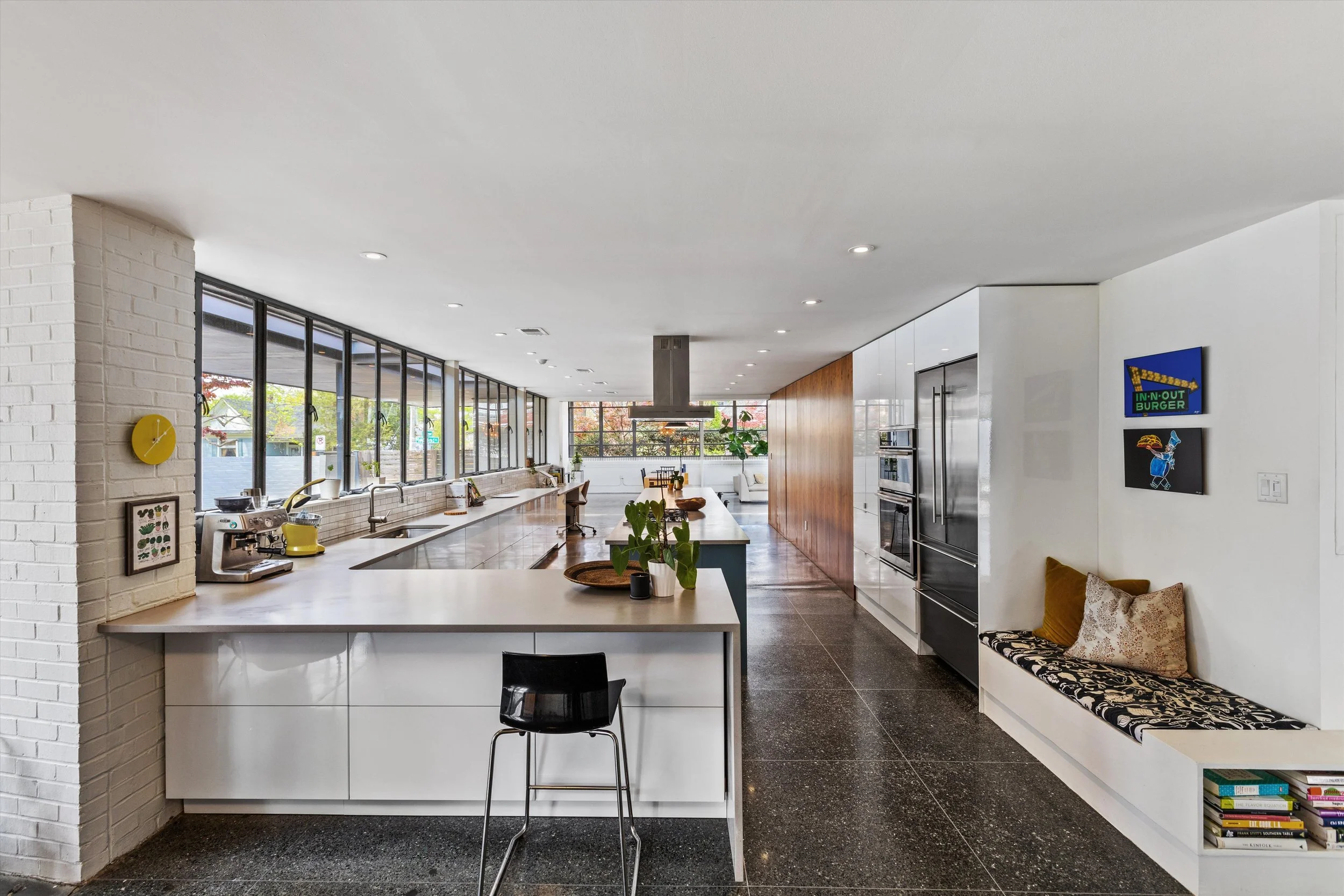
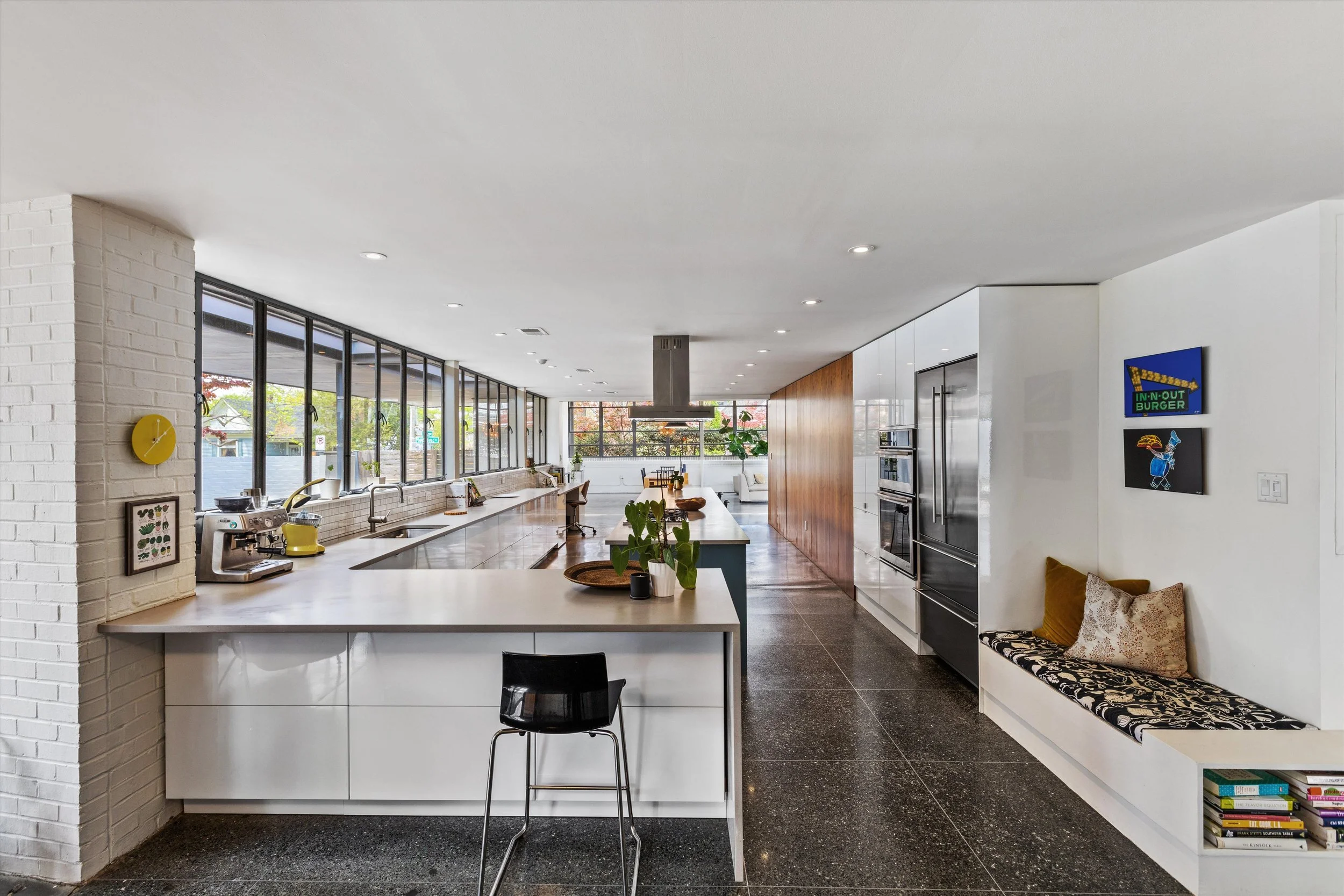
Spacious kitchen
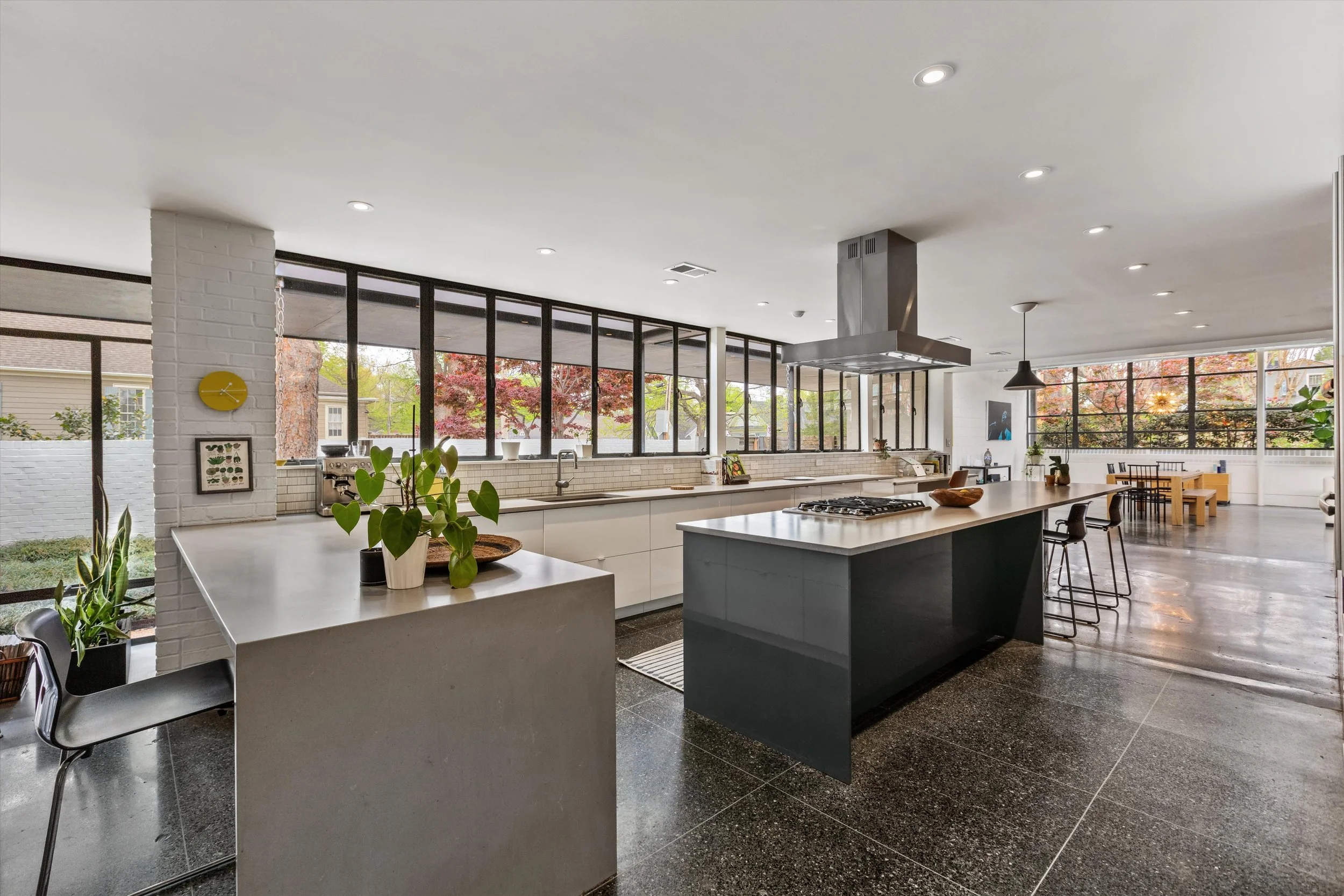
Light-filled kitchen with island
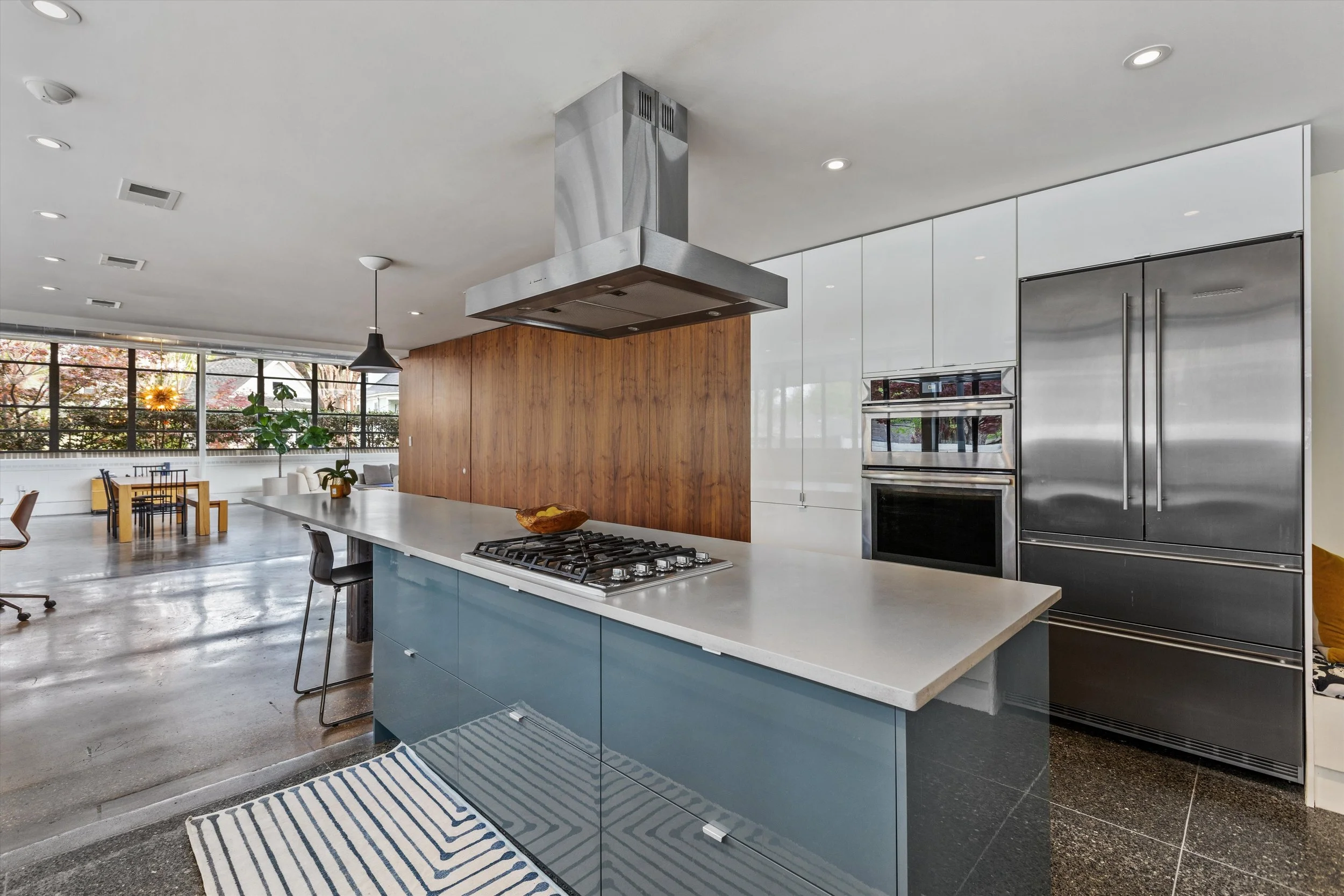
Sleek cabinetry with hidden storage
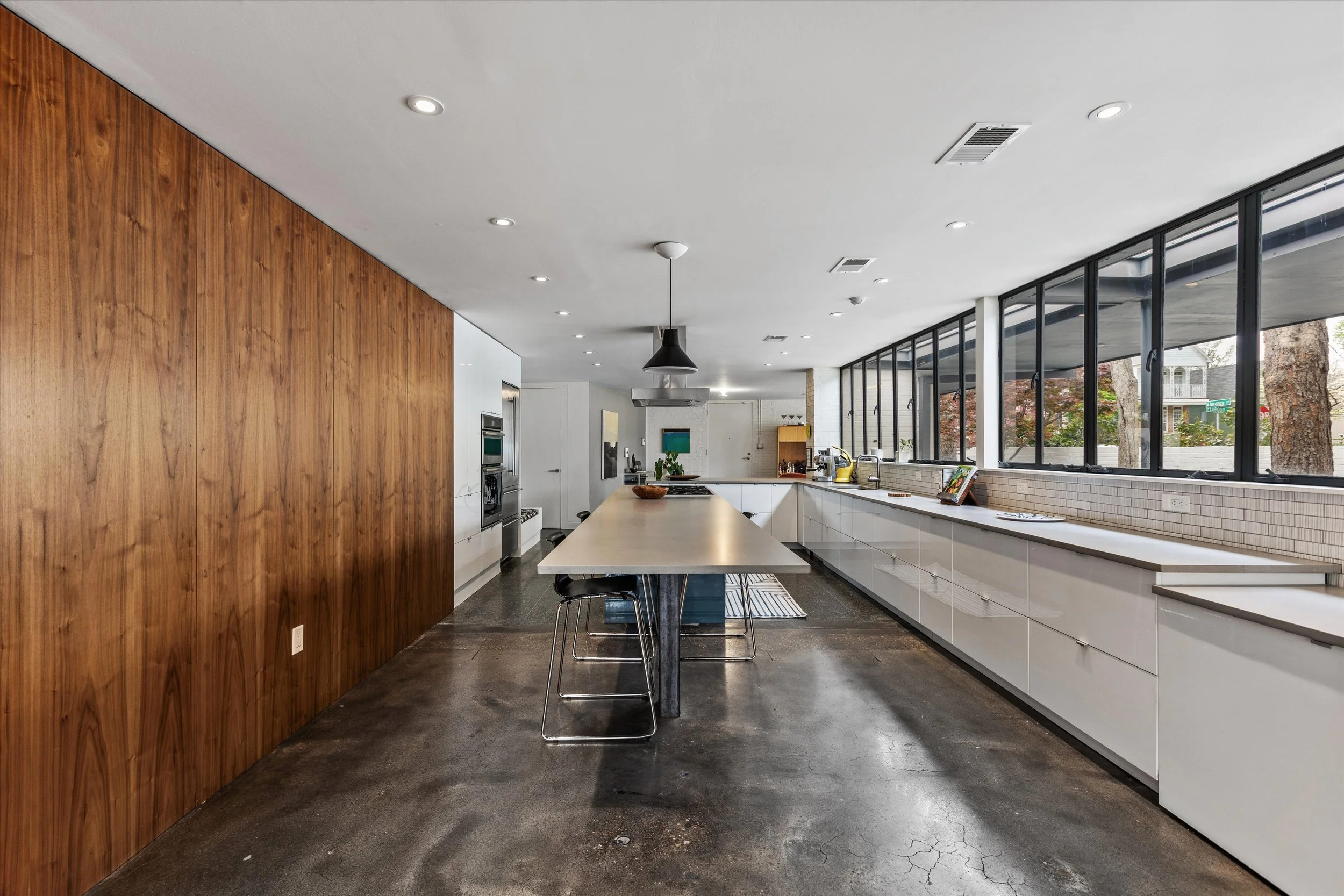
Warm walnut contrasts with sleek cabinets
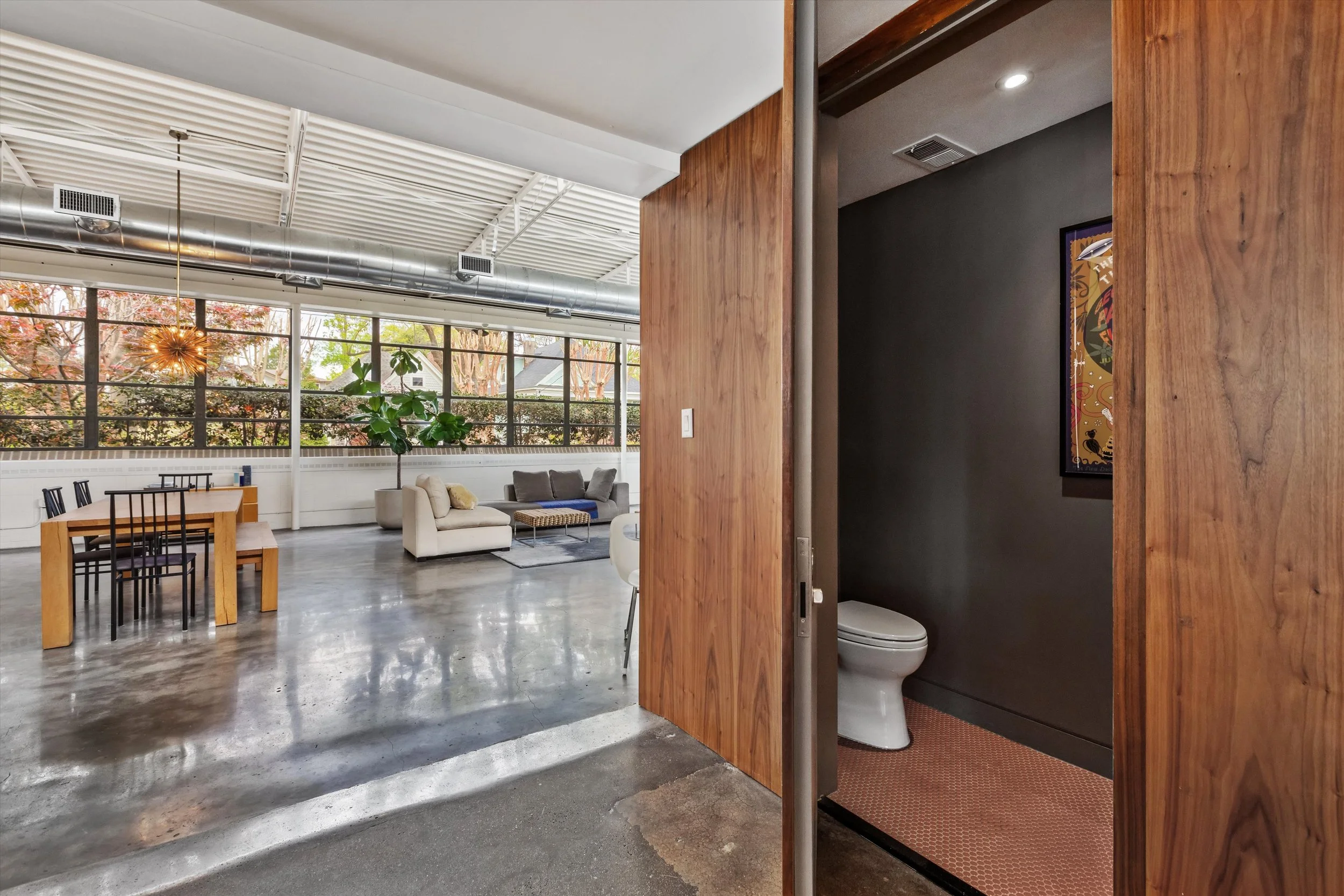
A hidden powder room
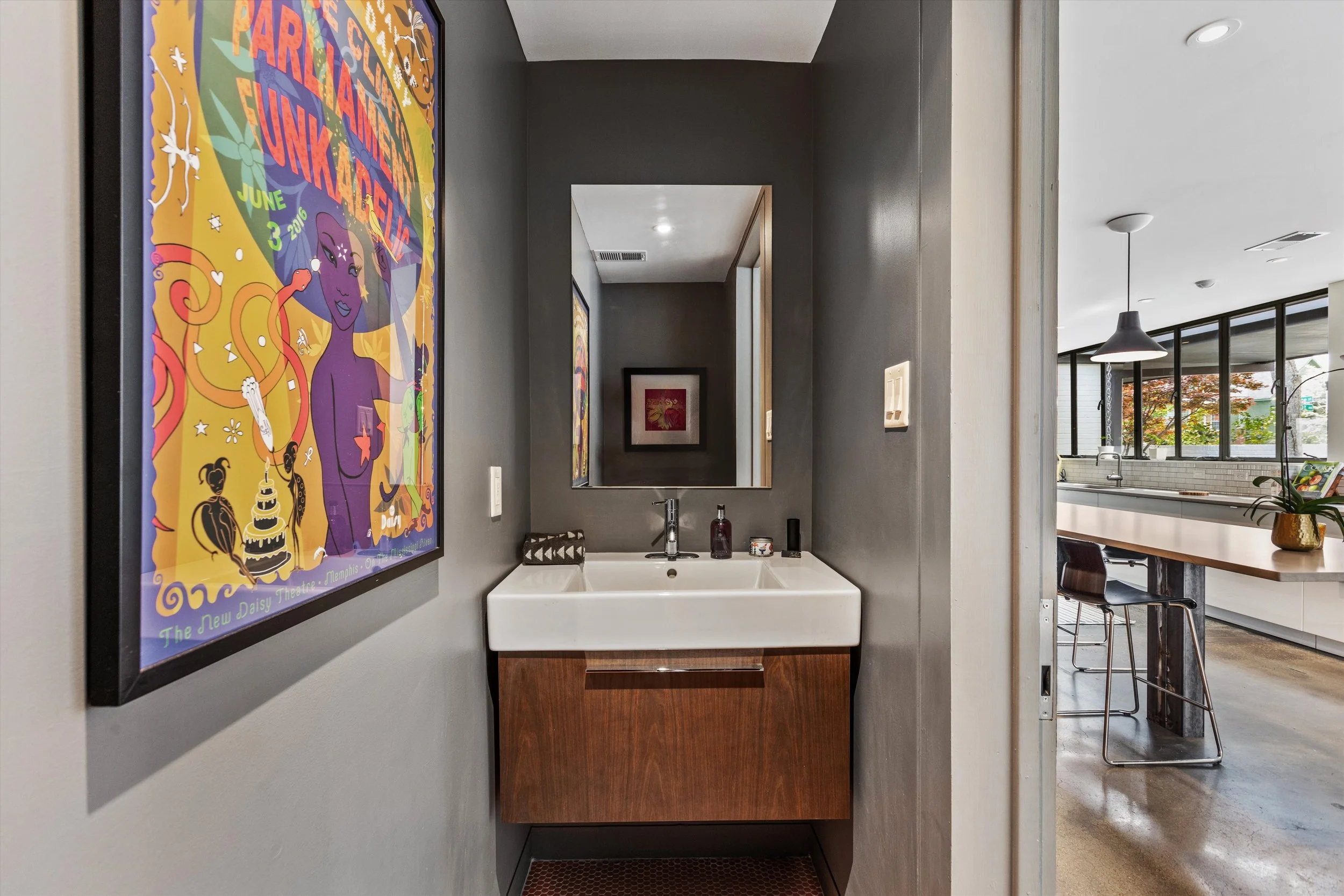
Powder room
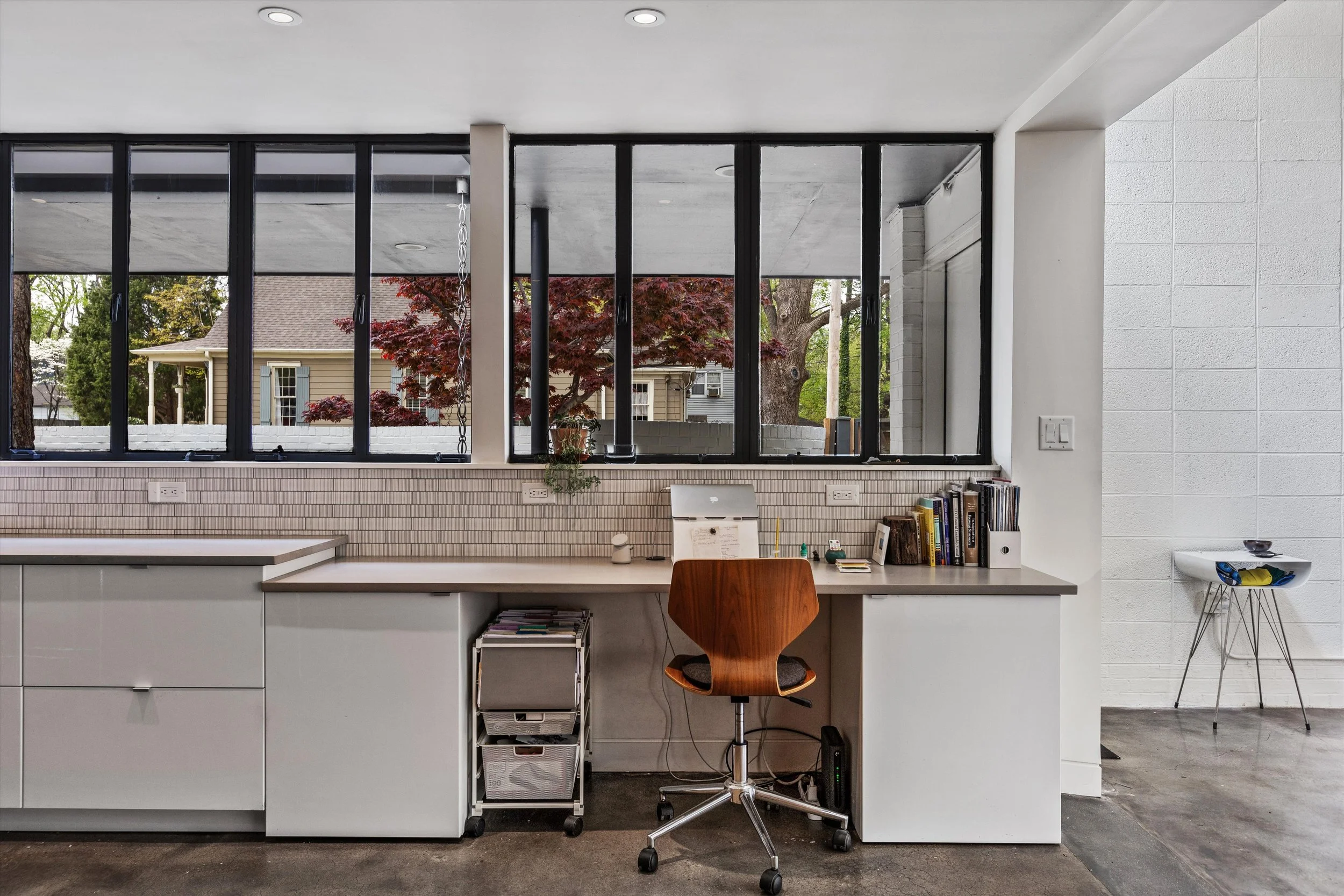
Work from home with a view
View from the kitchen
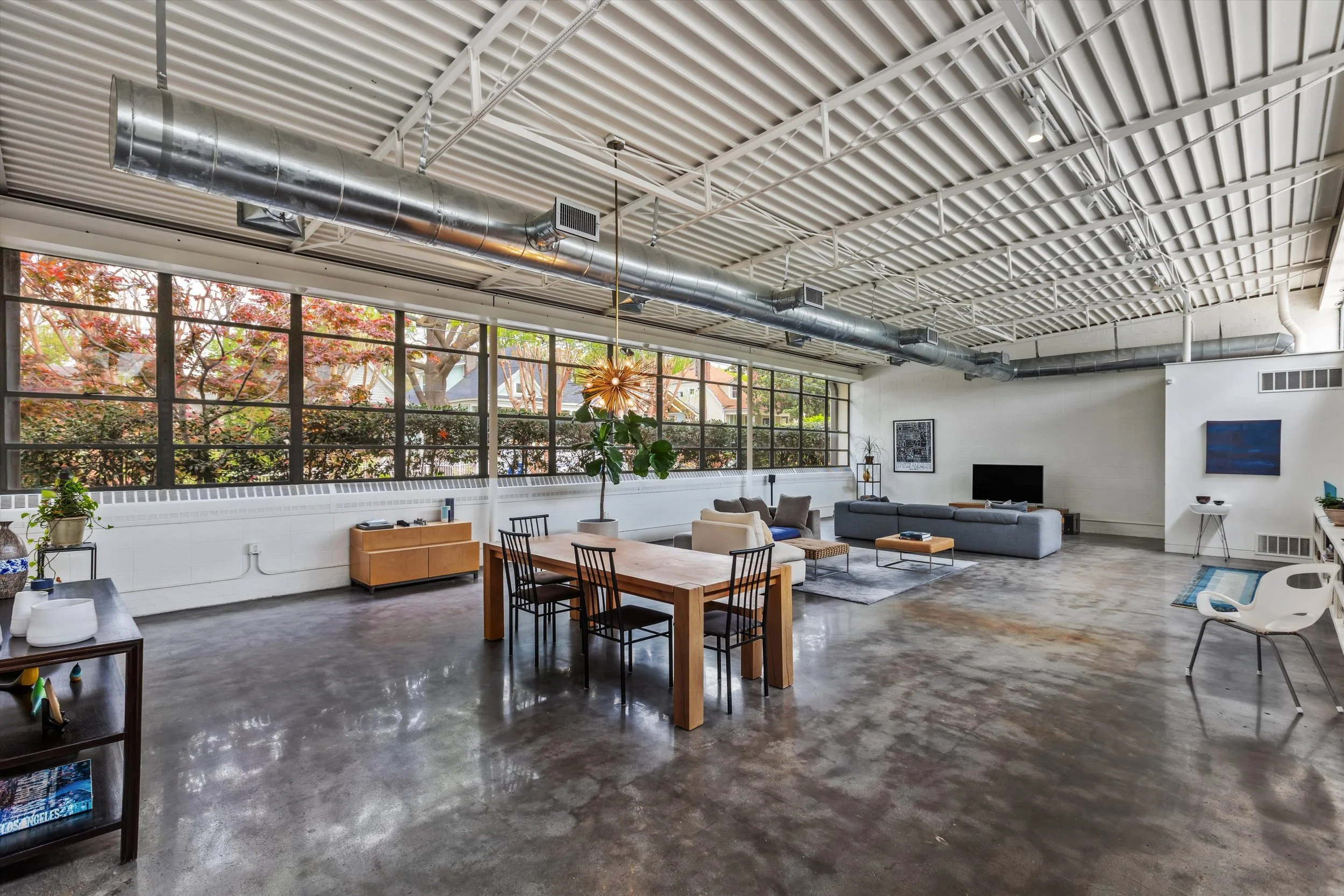
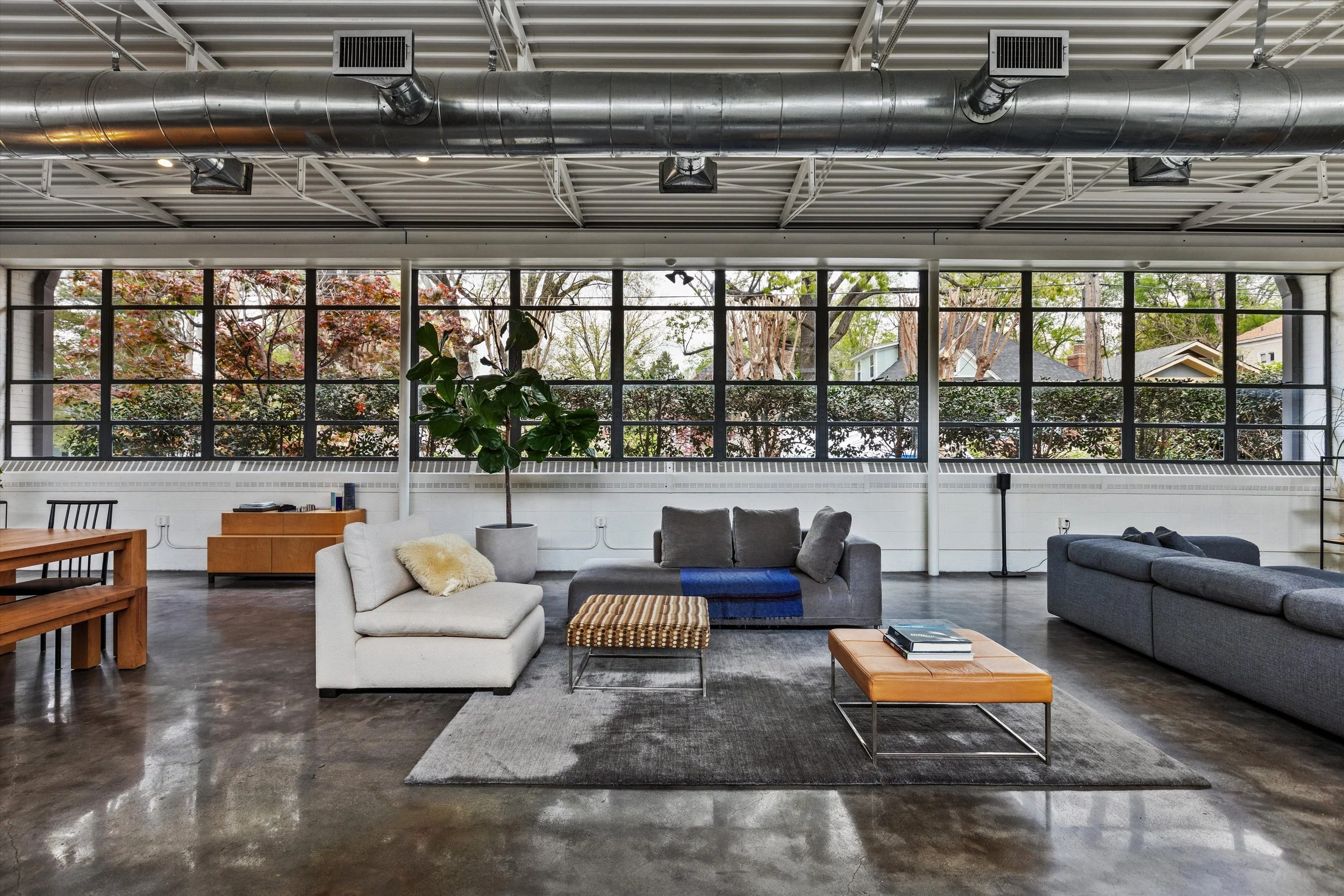
Expansive living room with high ceilings
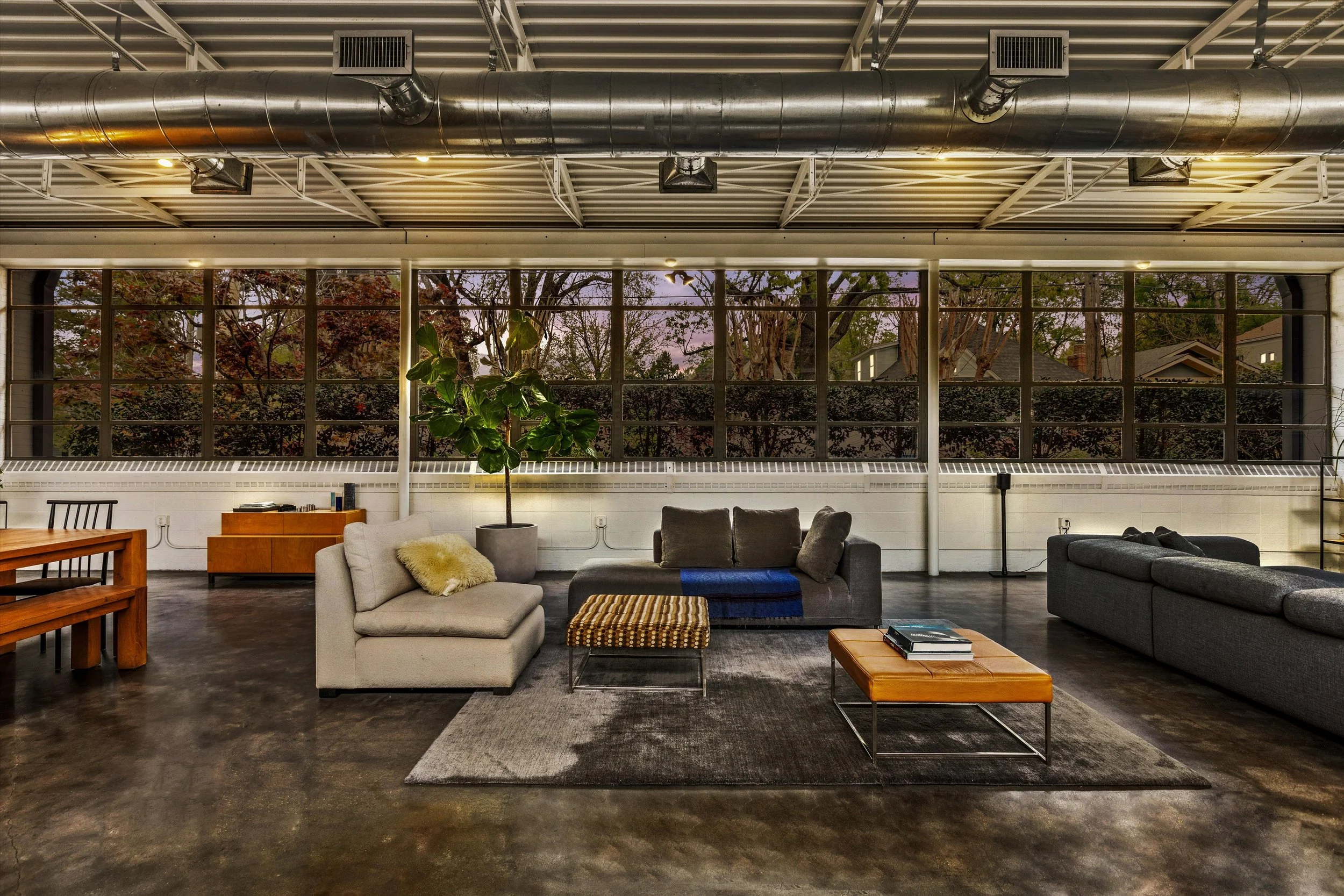
Evening light in the living room
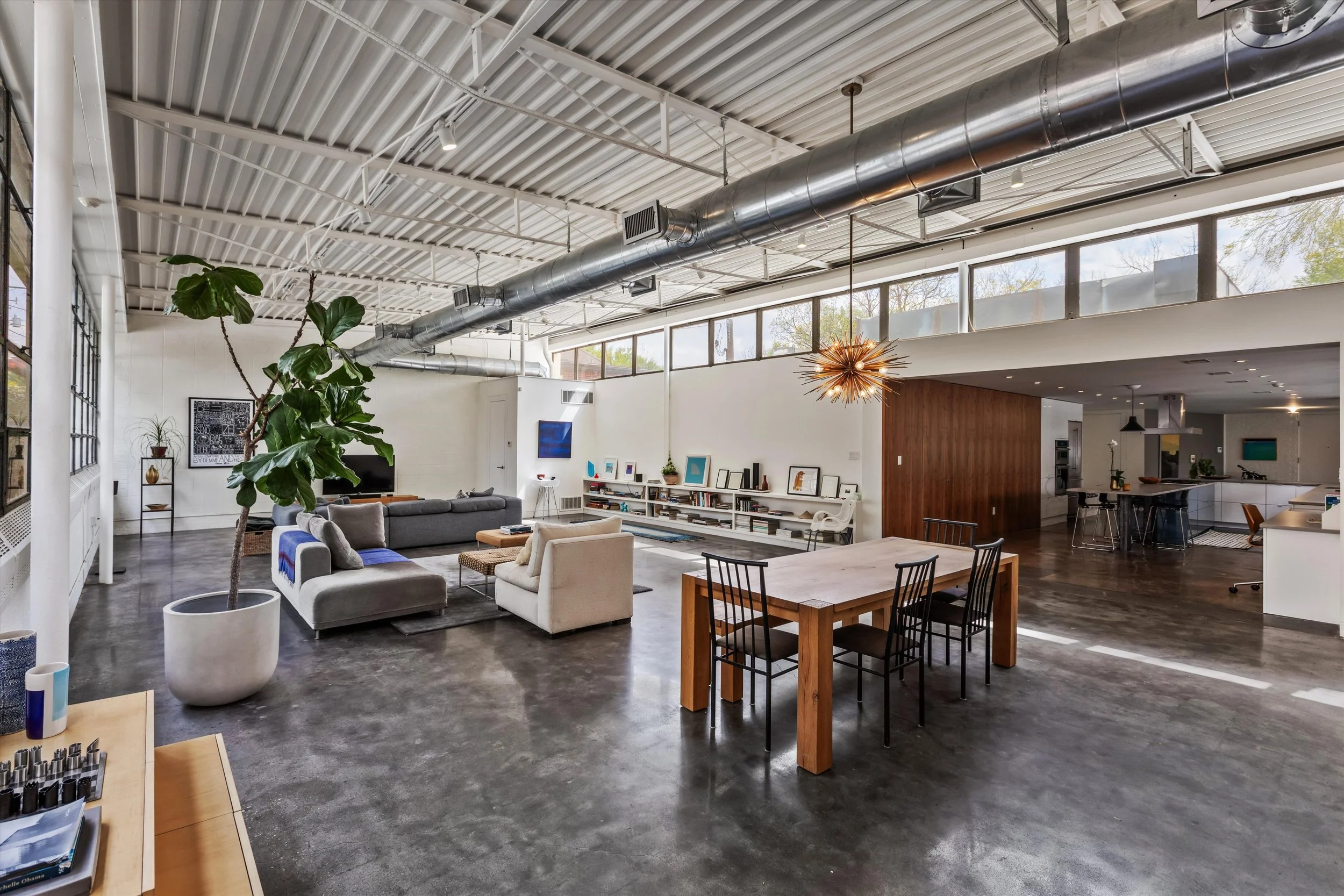
Clerestory windows spill light into the living room
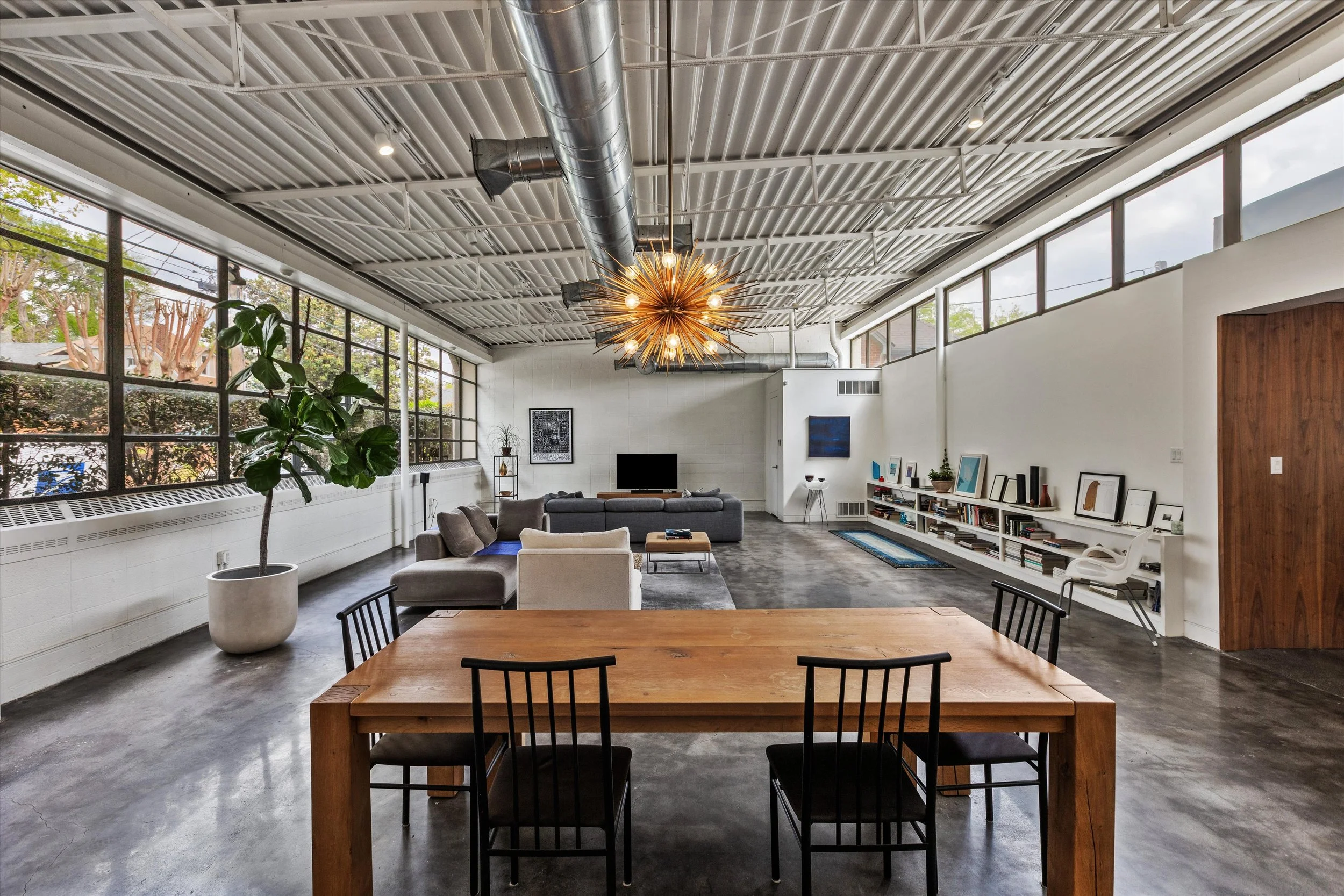
Aydelott and Dent's former drafting room
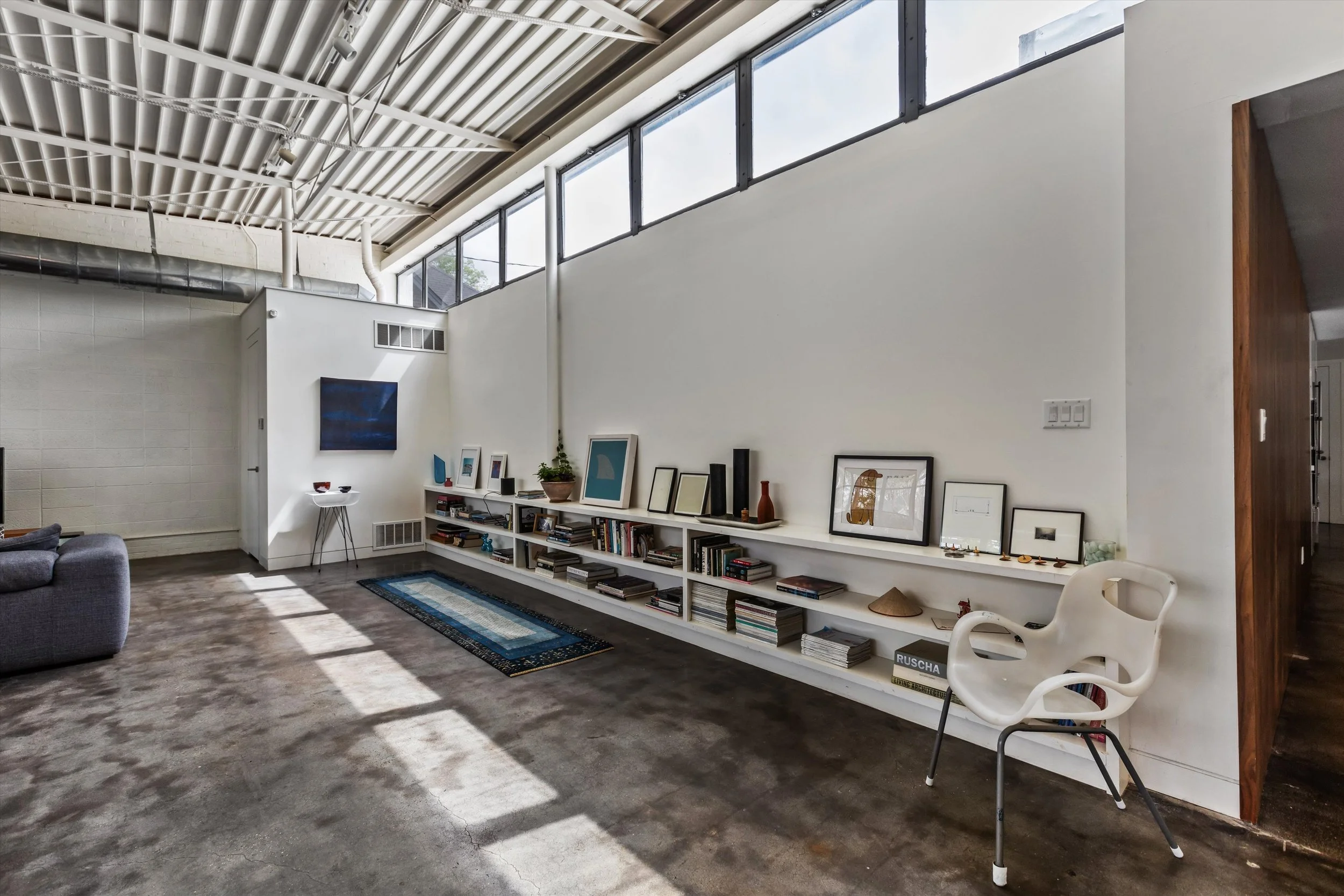
Built-in book and art display
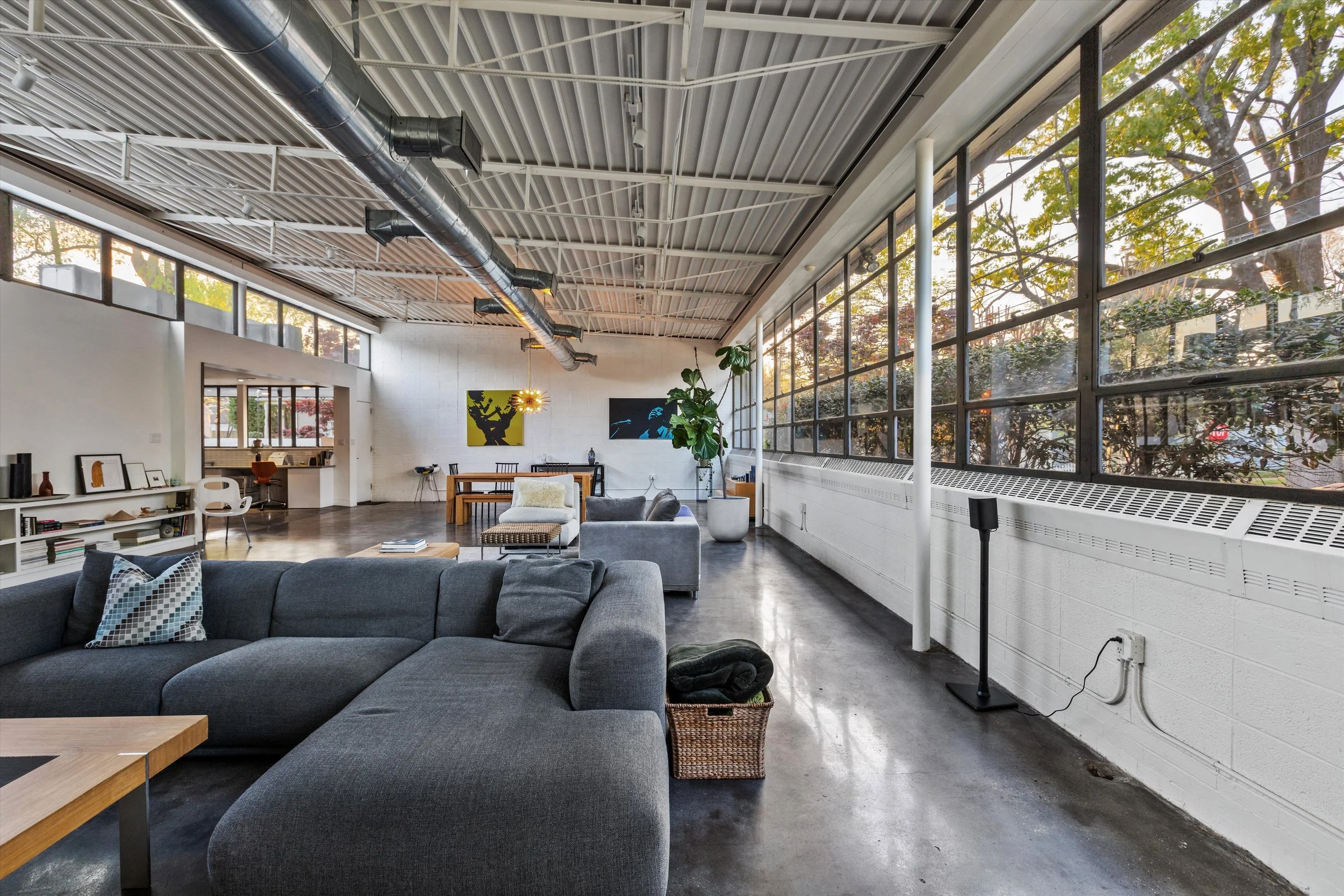
Southern and northern light
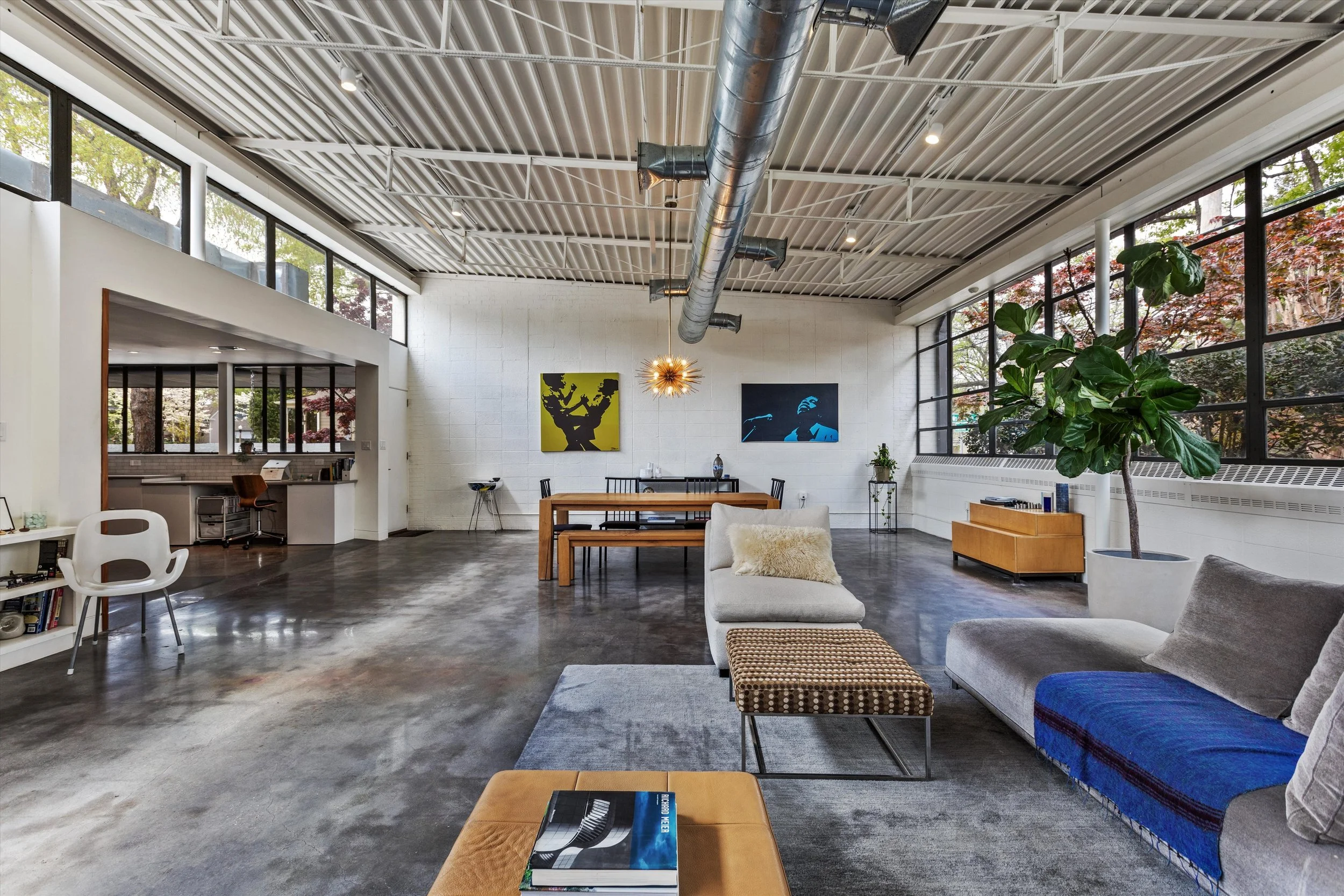
Living room with view of kitchen
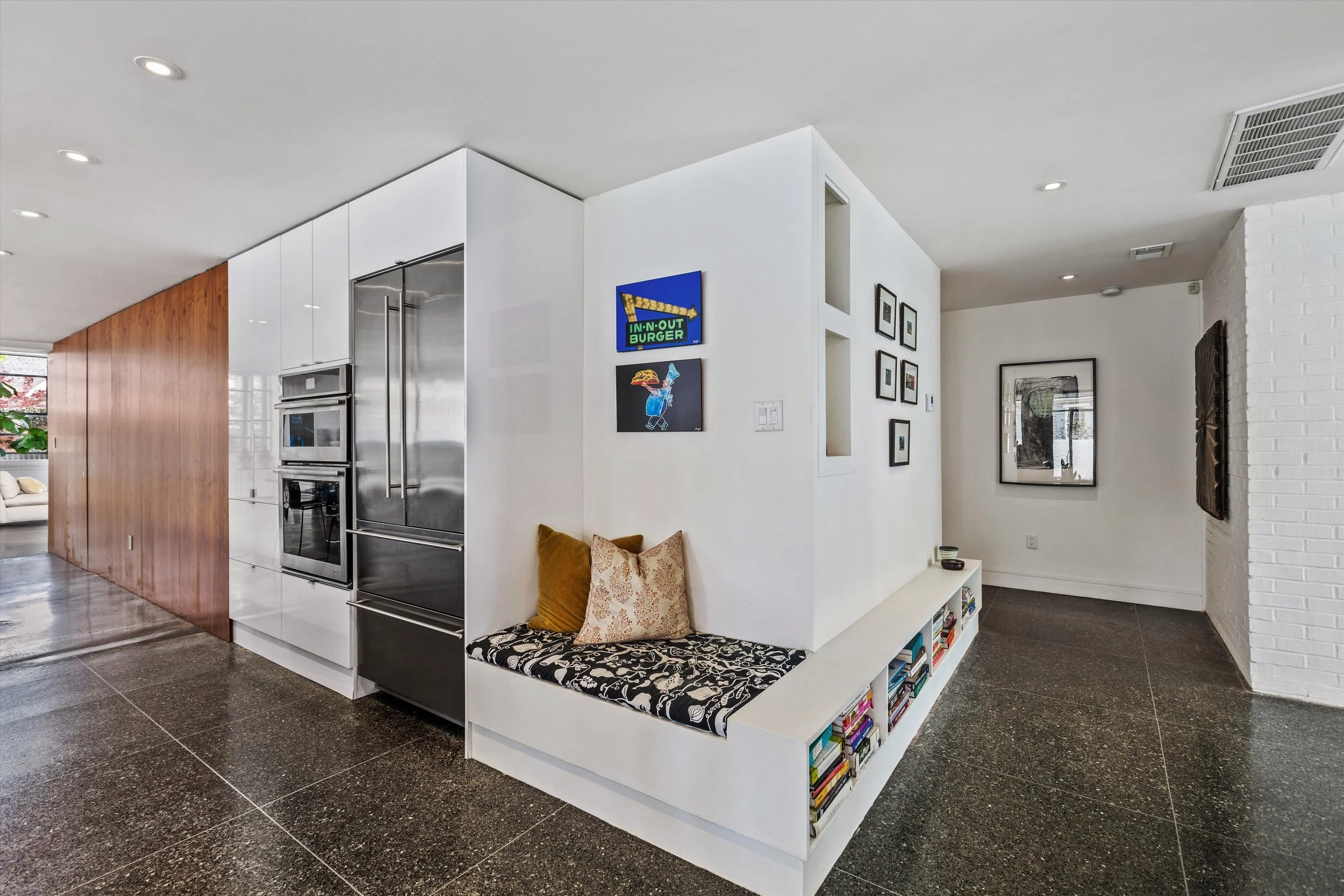
Built-in seating and storage
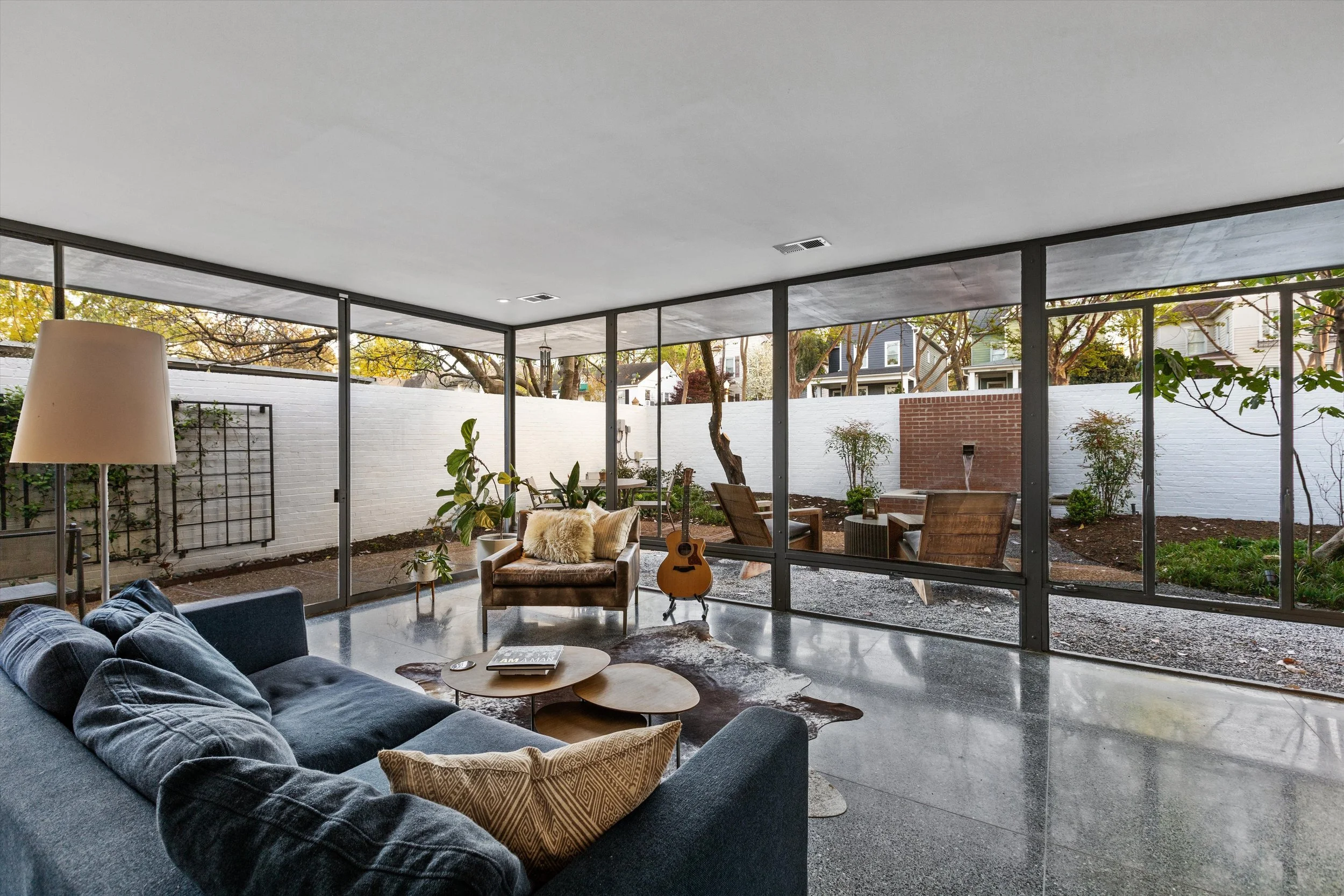
Den opens to patio and garden
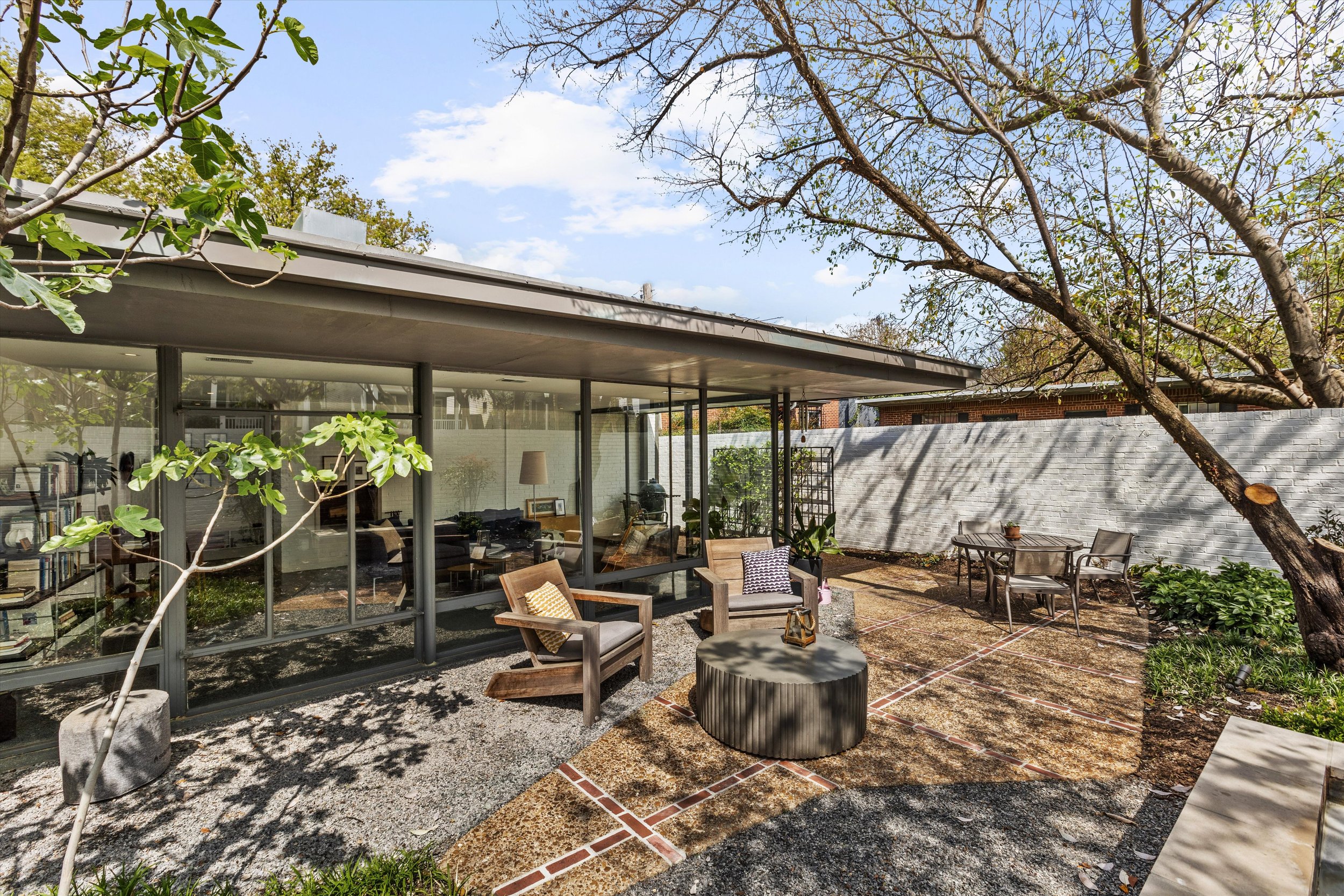
Walled garden retreat
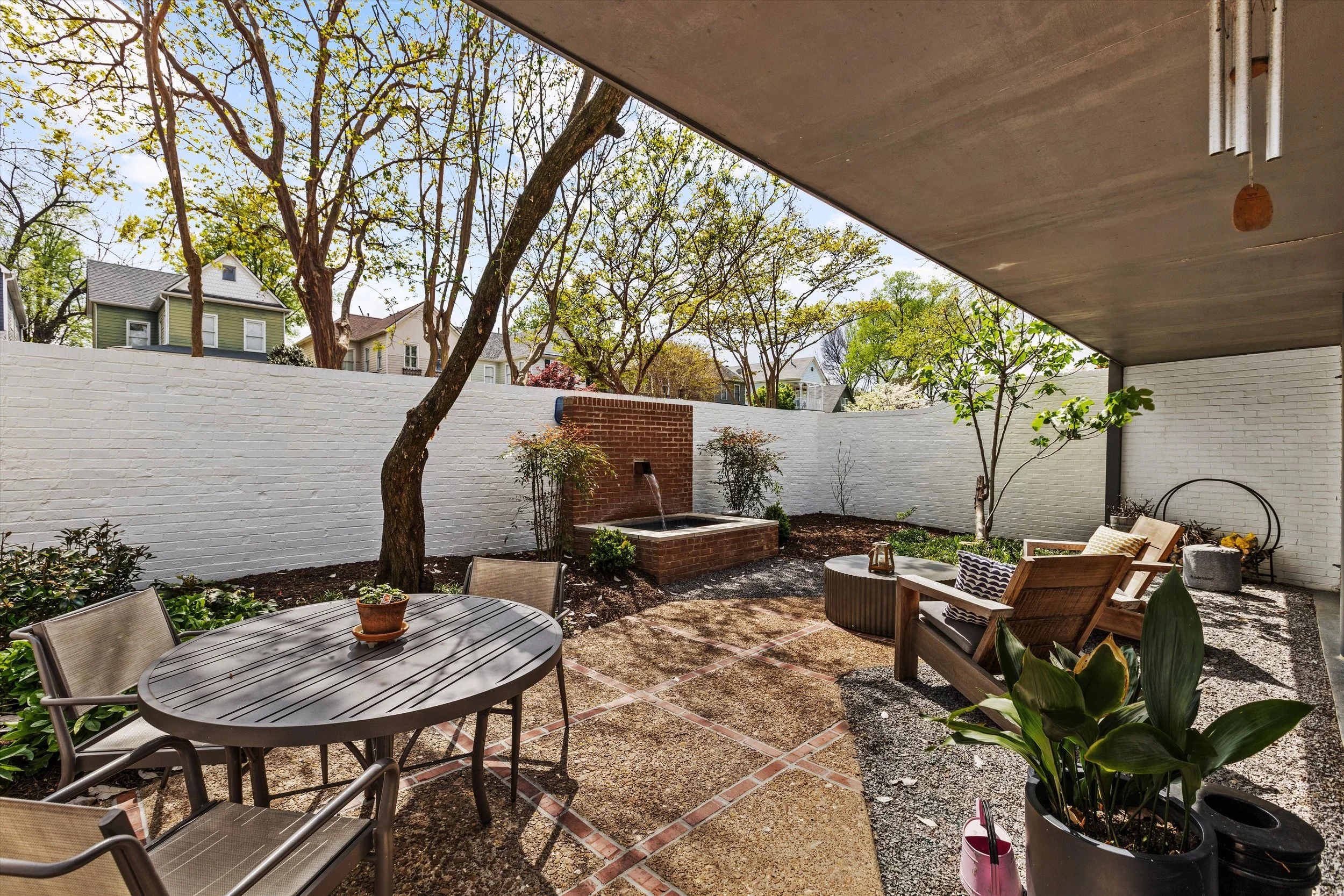
Garden with fountain
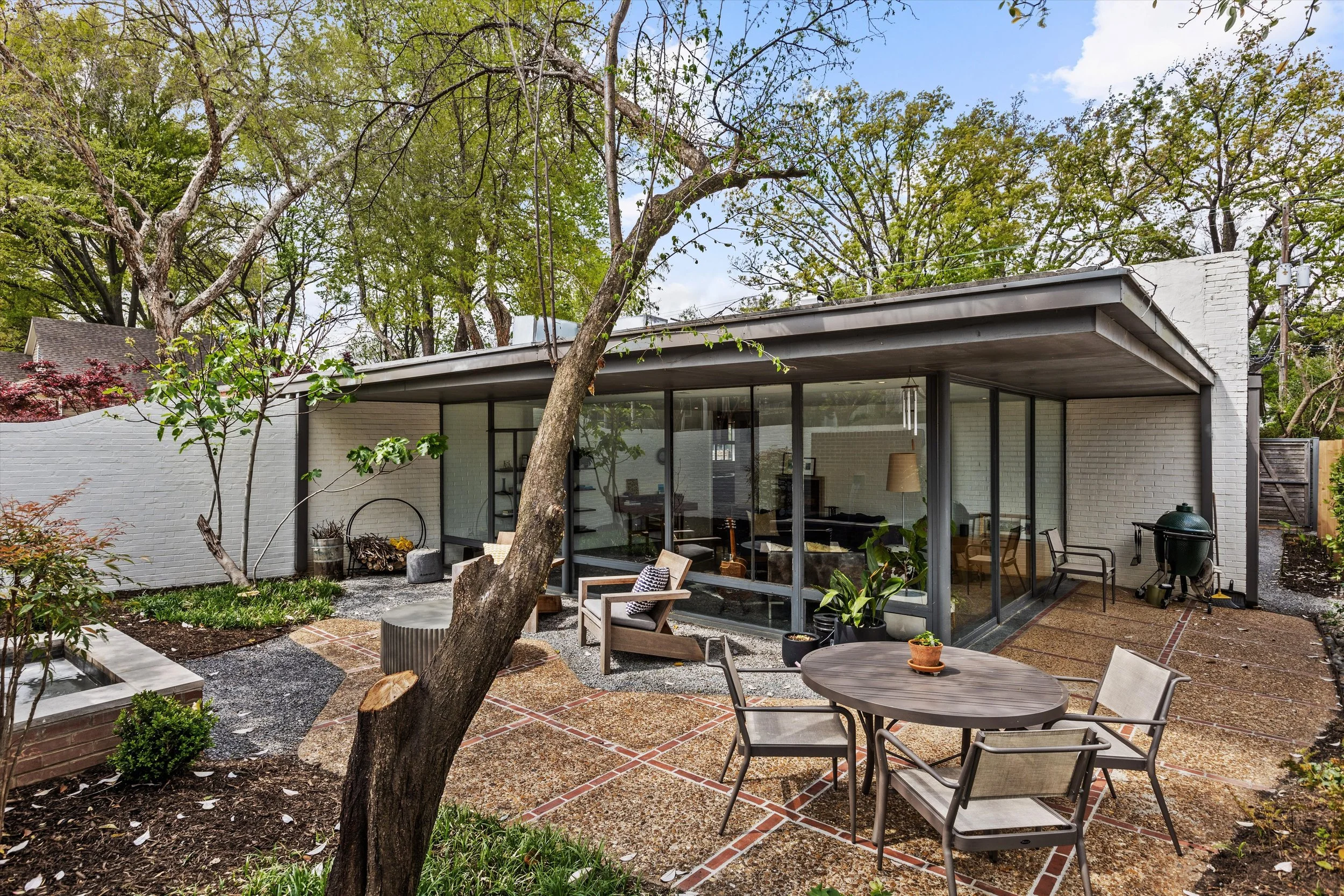
Retreat in the city
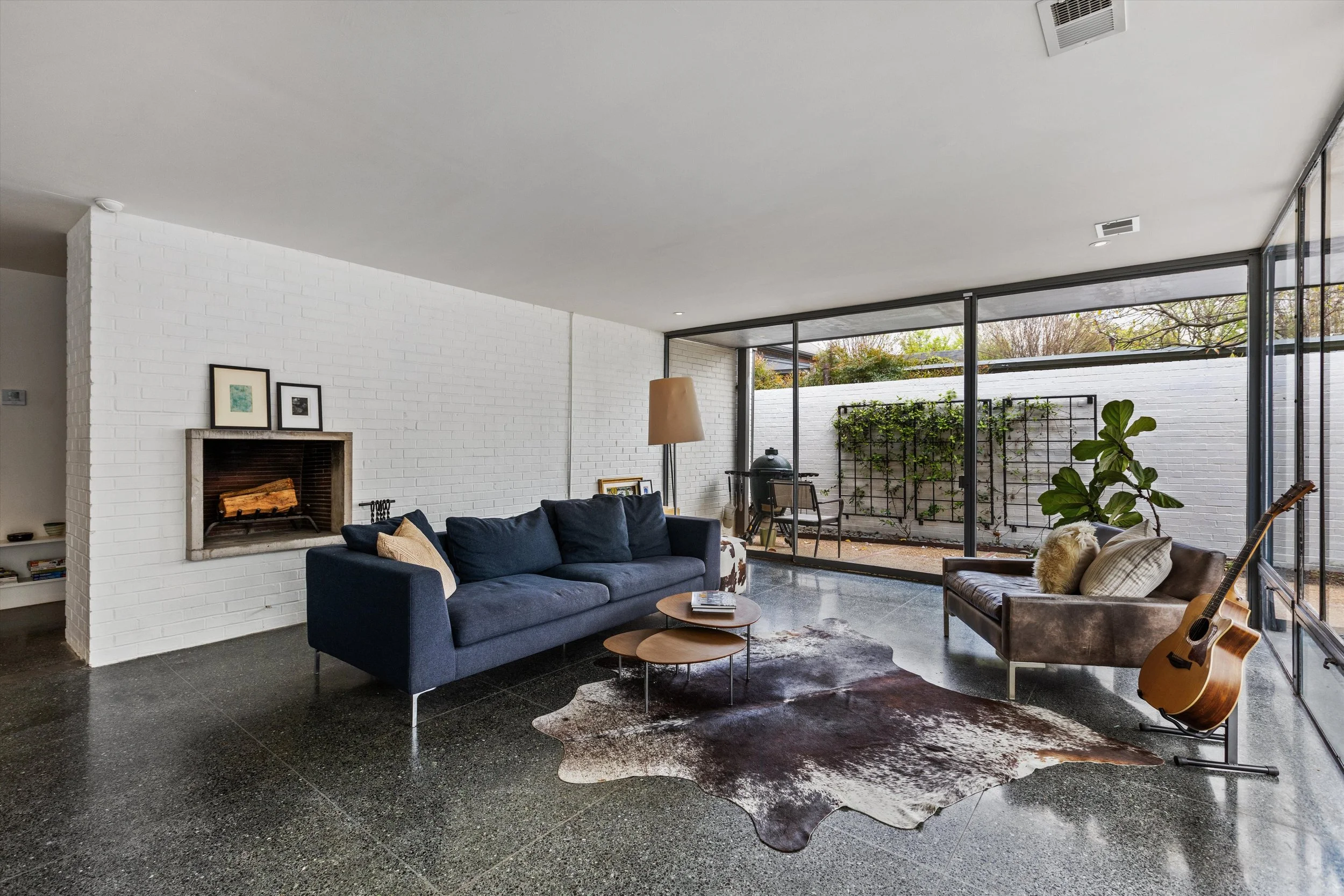
Den with fireplace and terrazzo floors
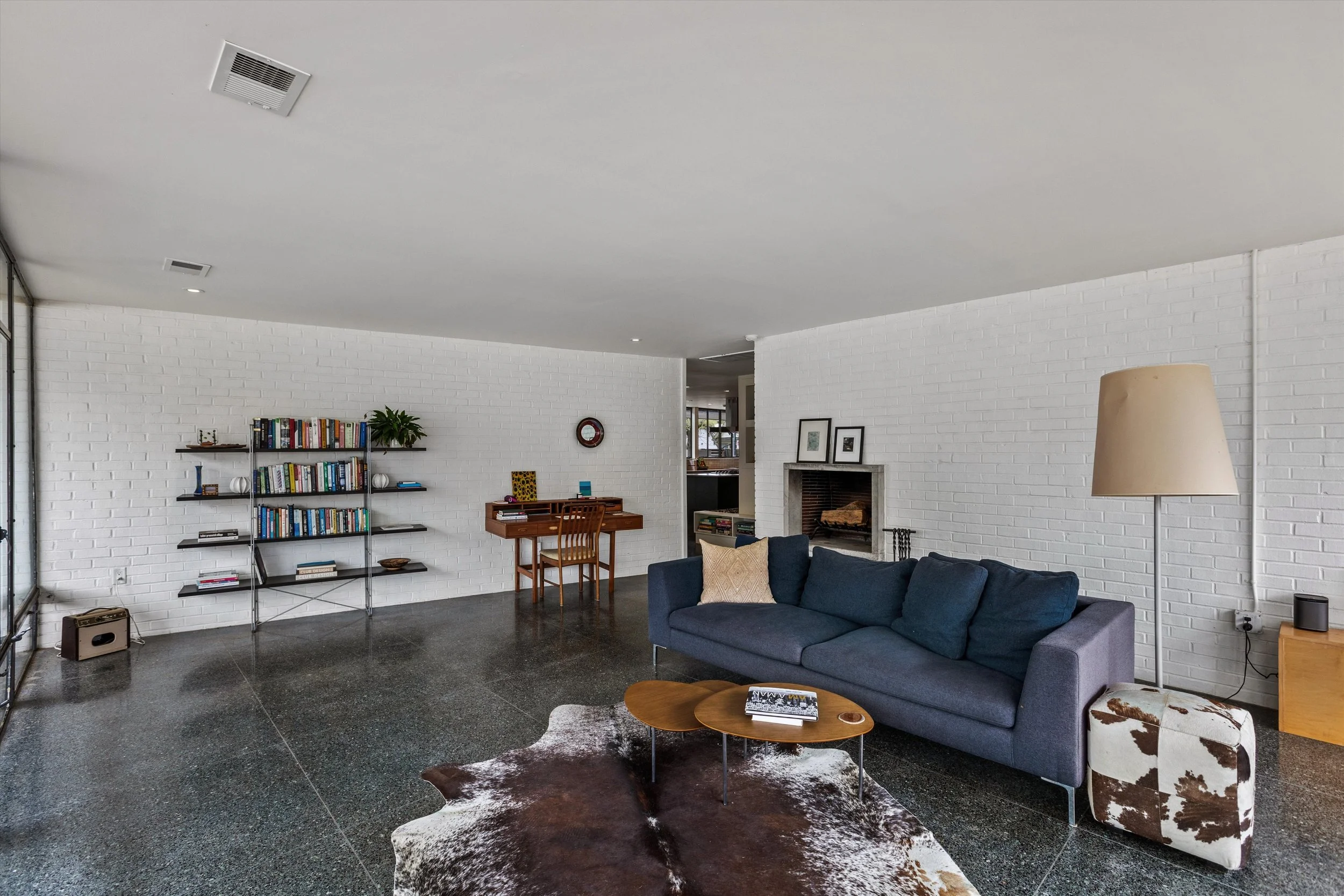
Den
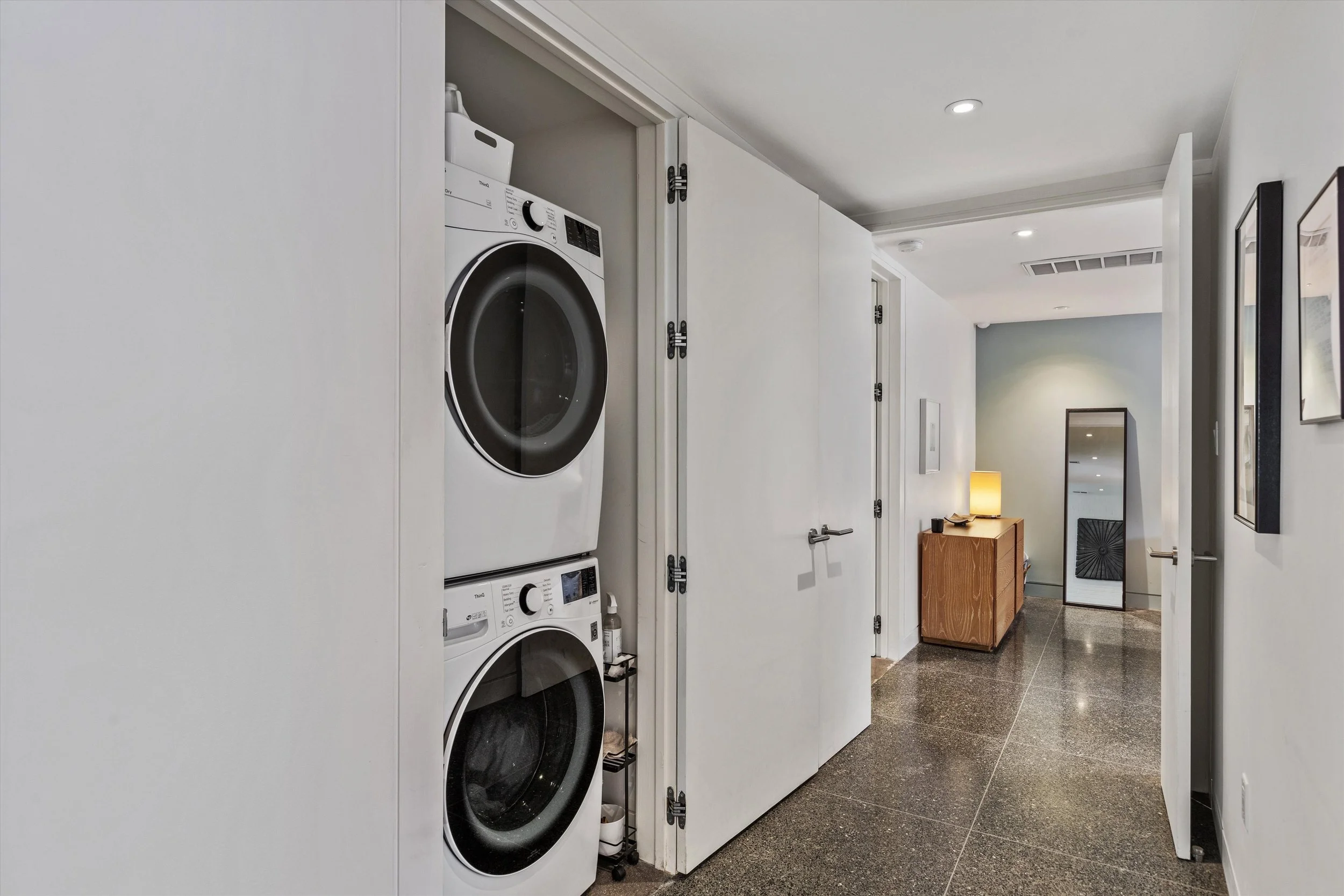
Laundry
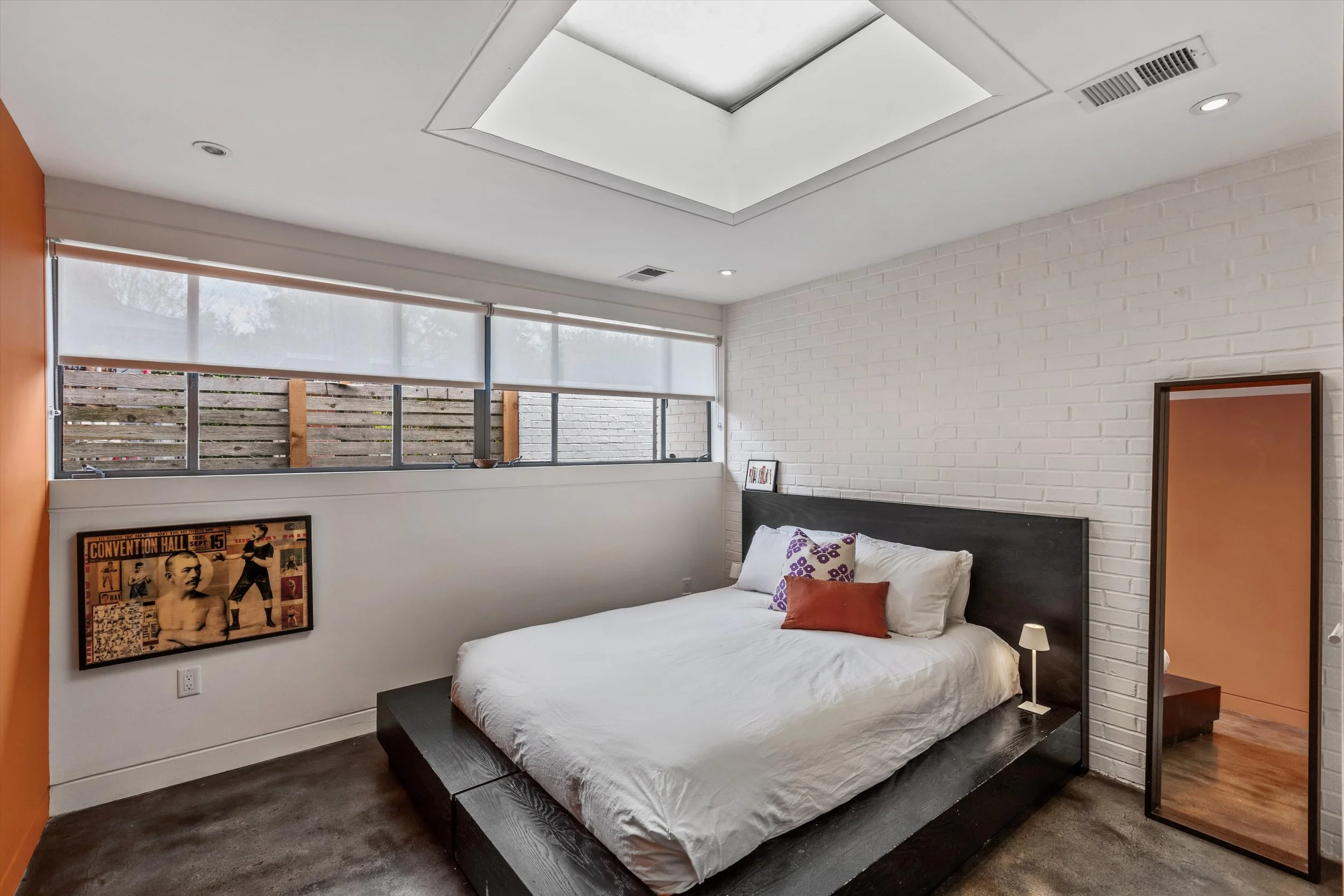
First bedroom
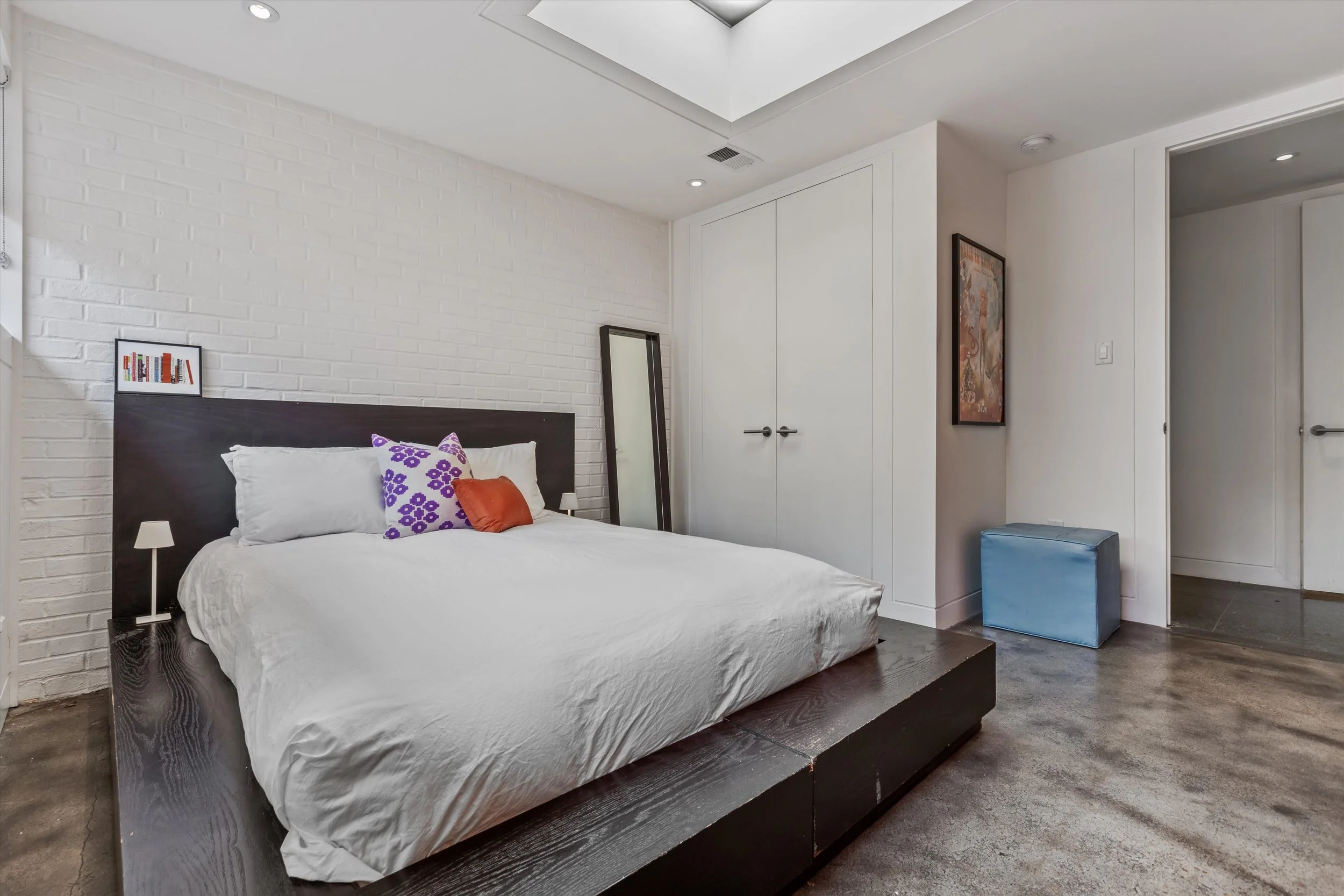
First bedroom
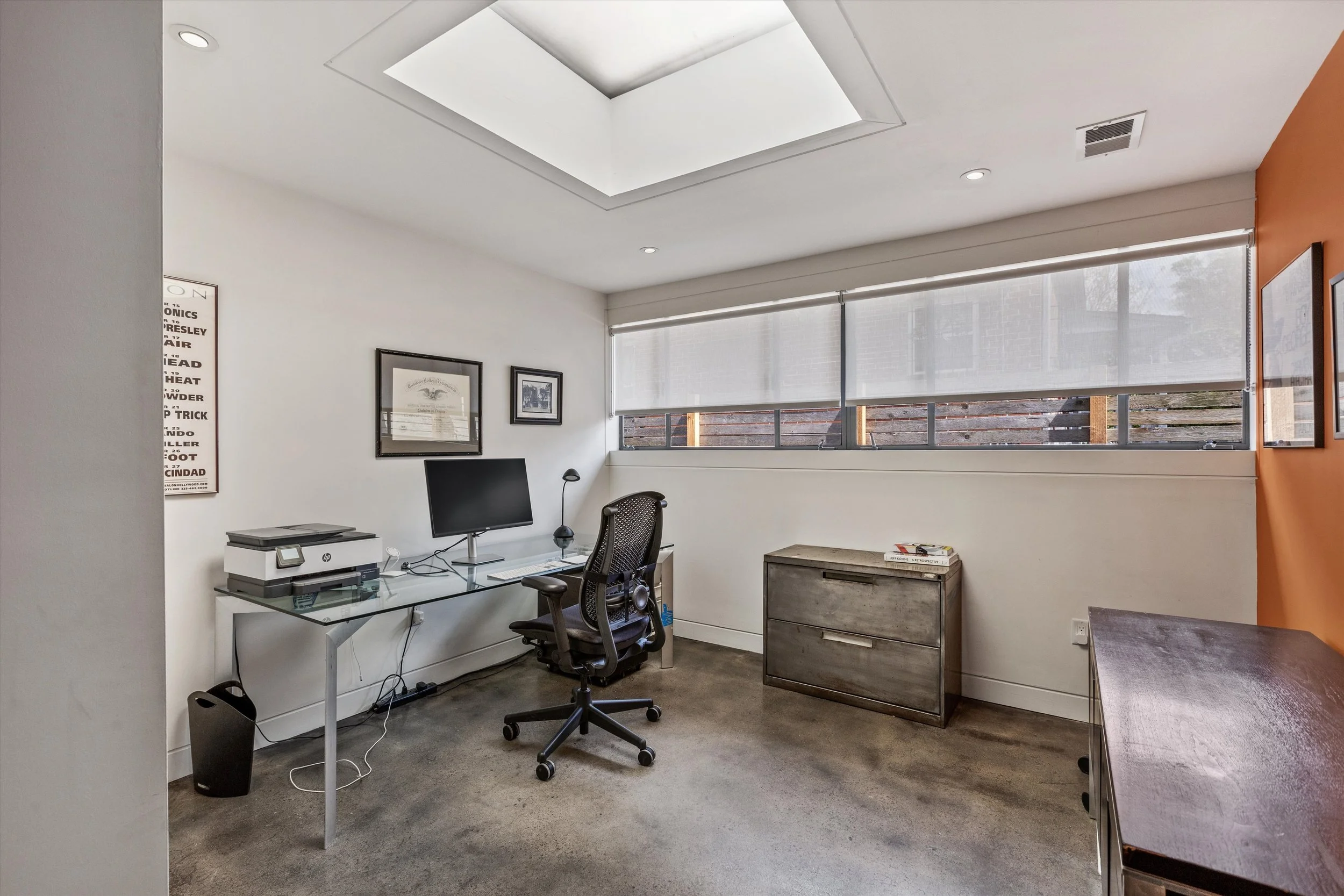
Second bedroom
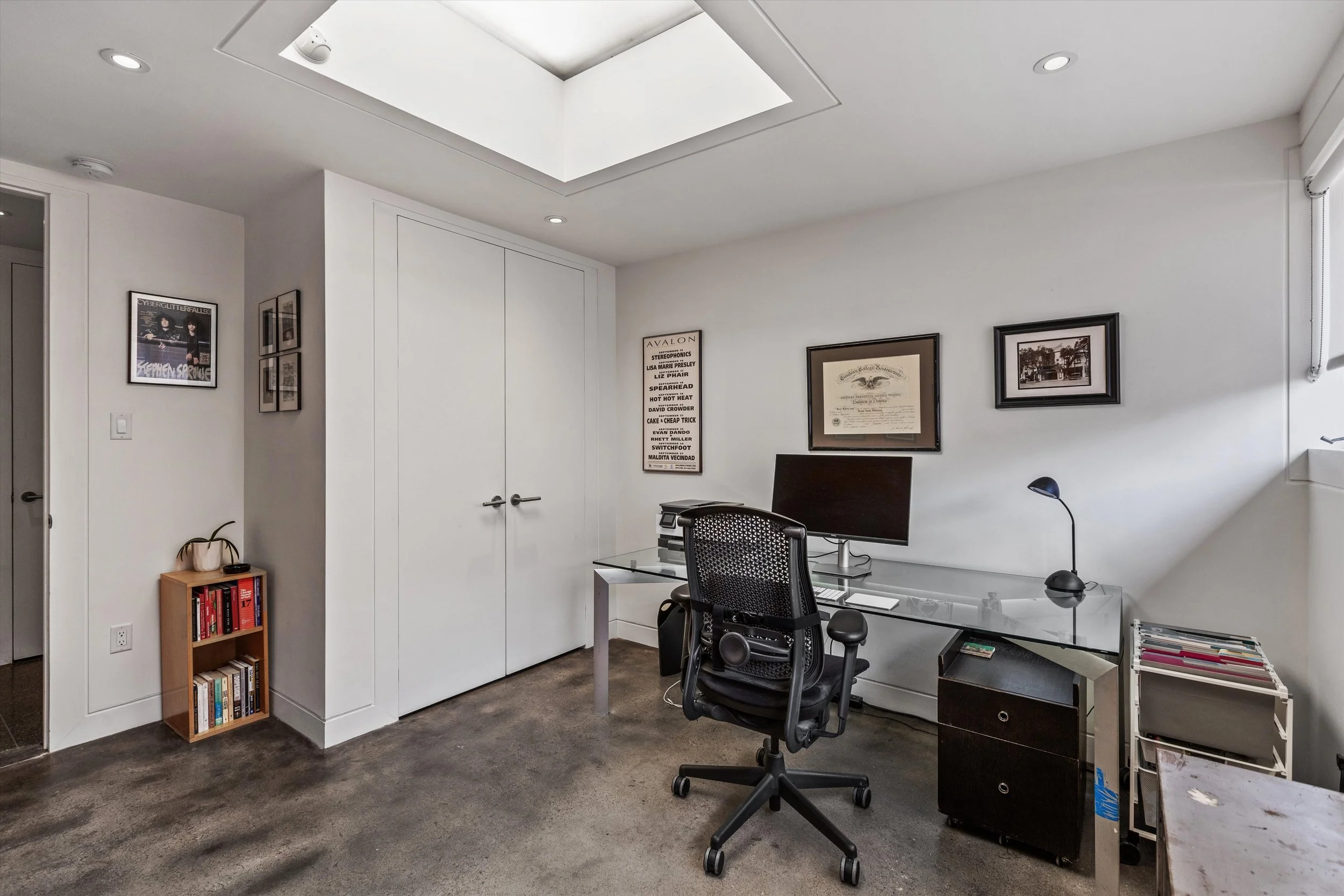
Second bedroom
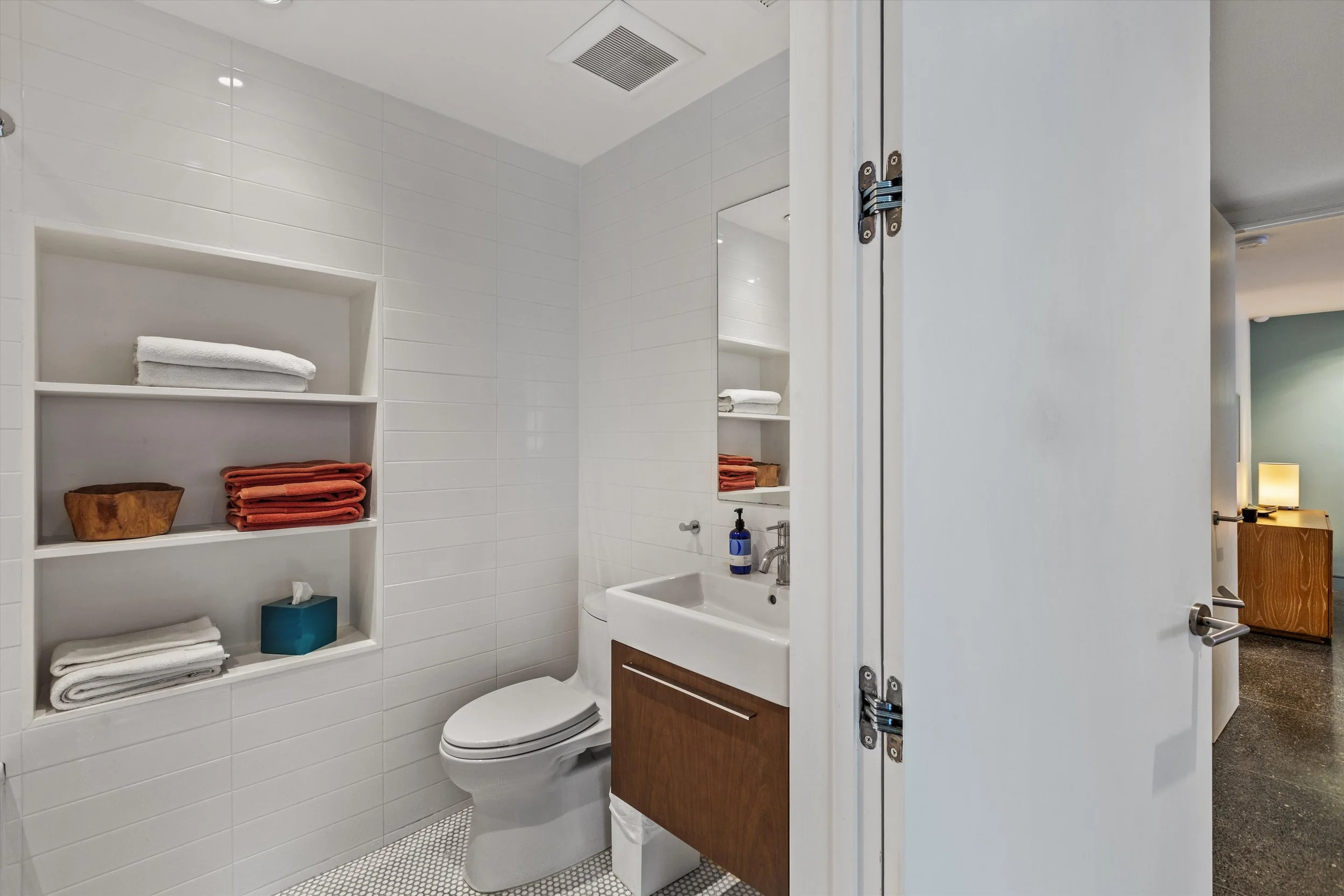
Hall bathroom
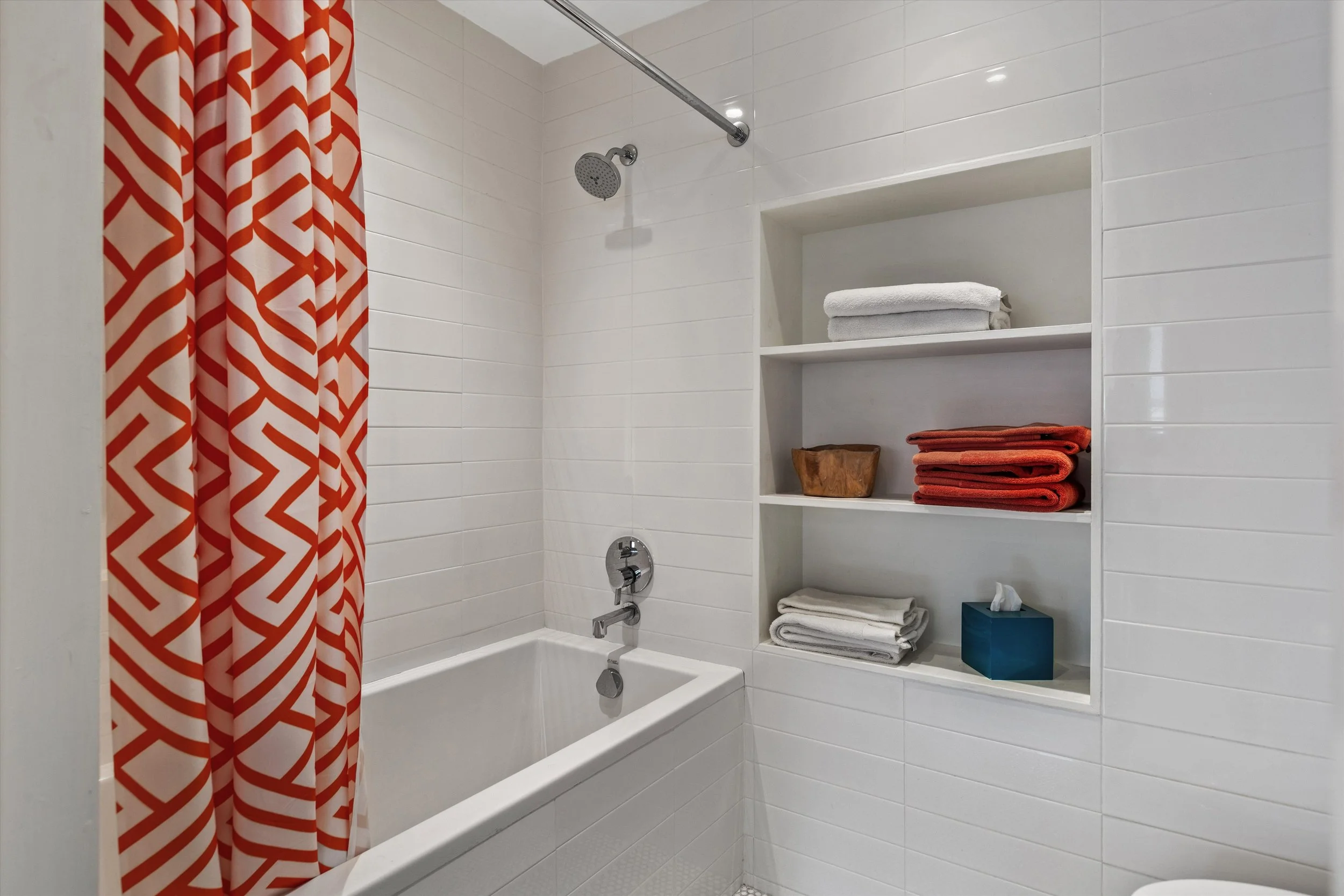
Hall bathroom with deep tub
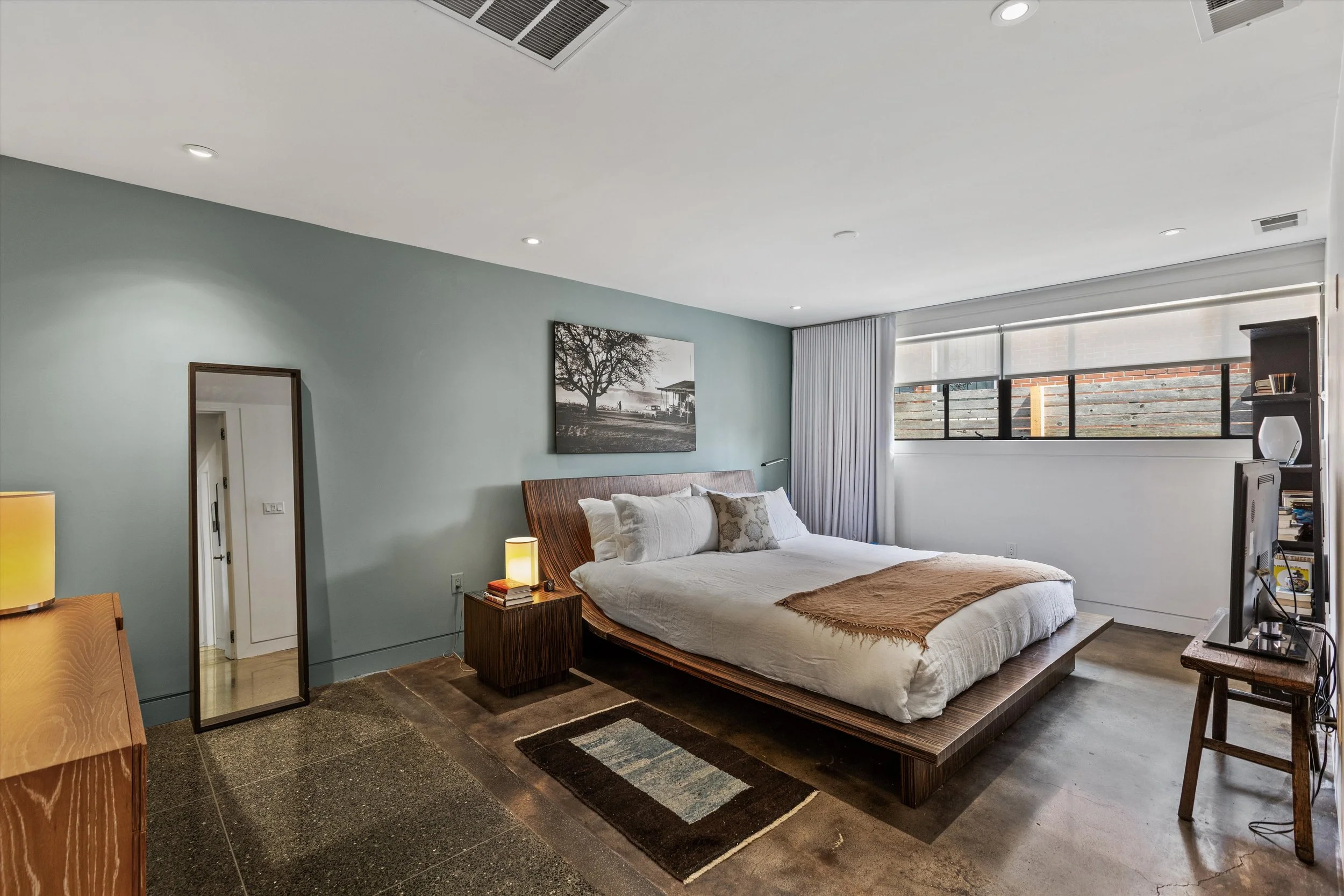
Primary bedroom with ribbon window
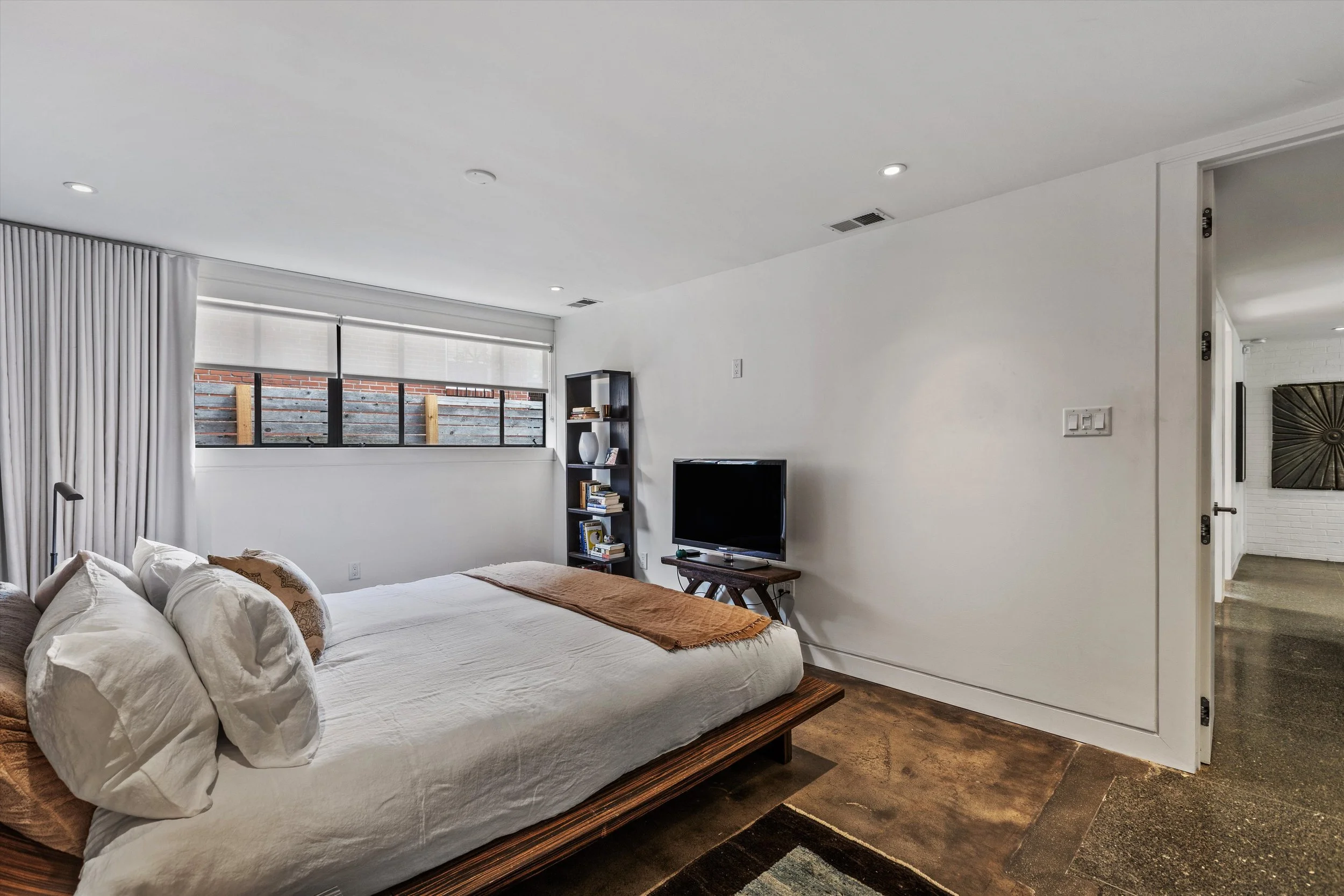
Primary bedroom
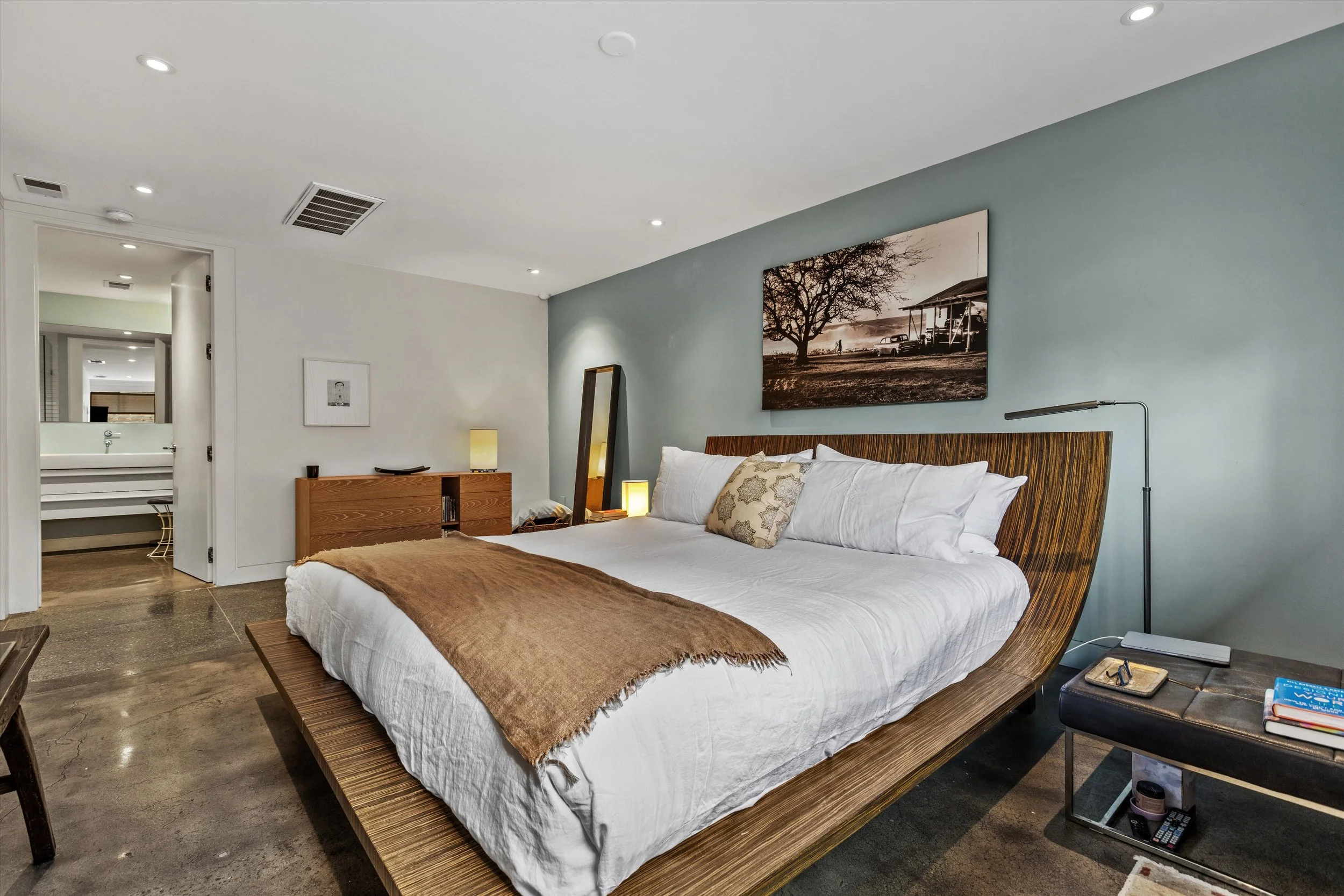
Primary bedroom
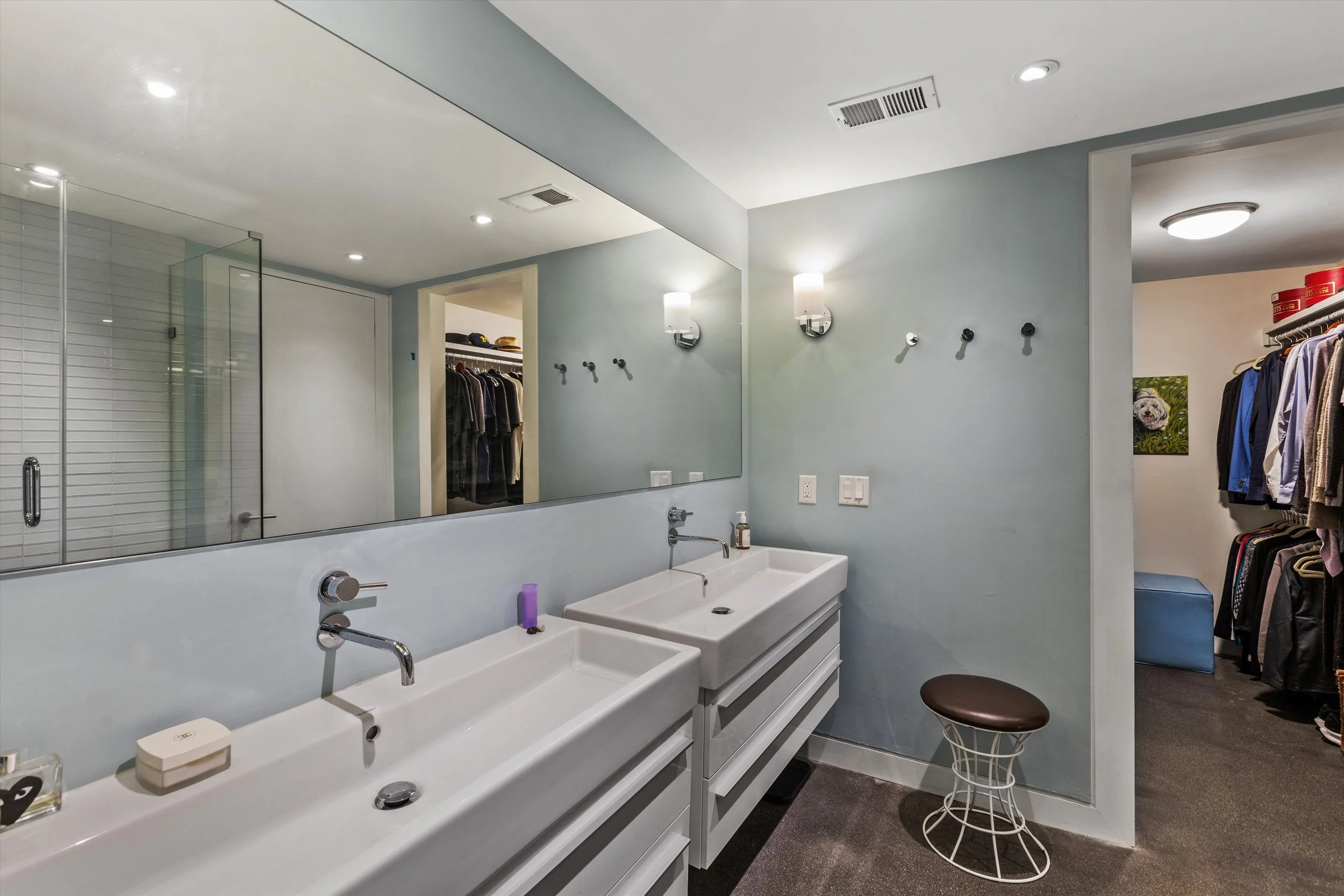
Primary bath with walk-in closet
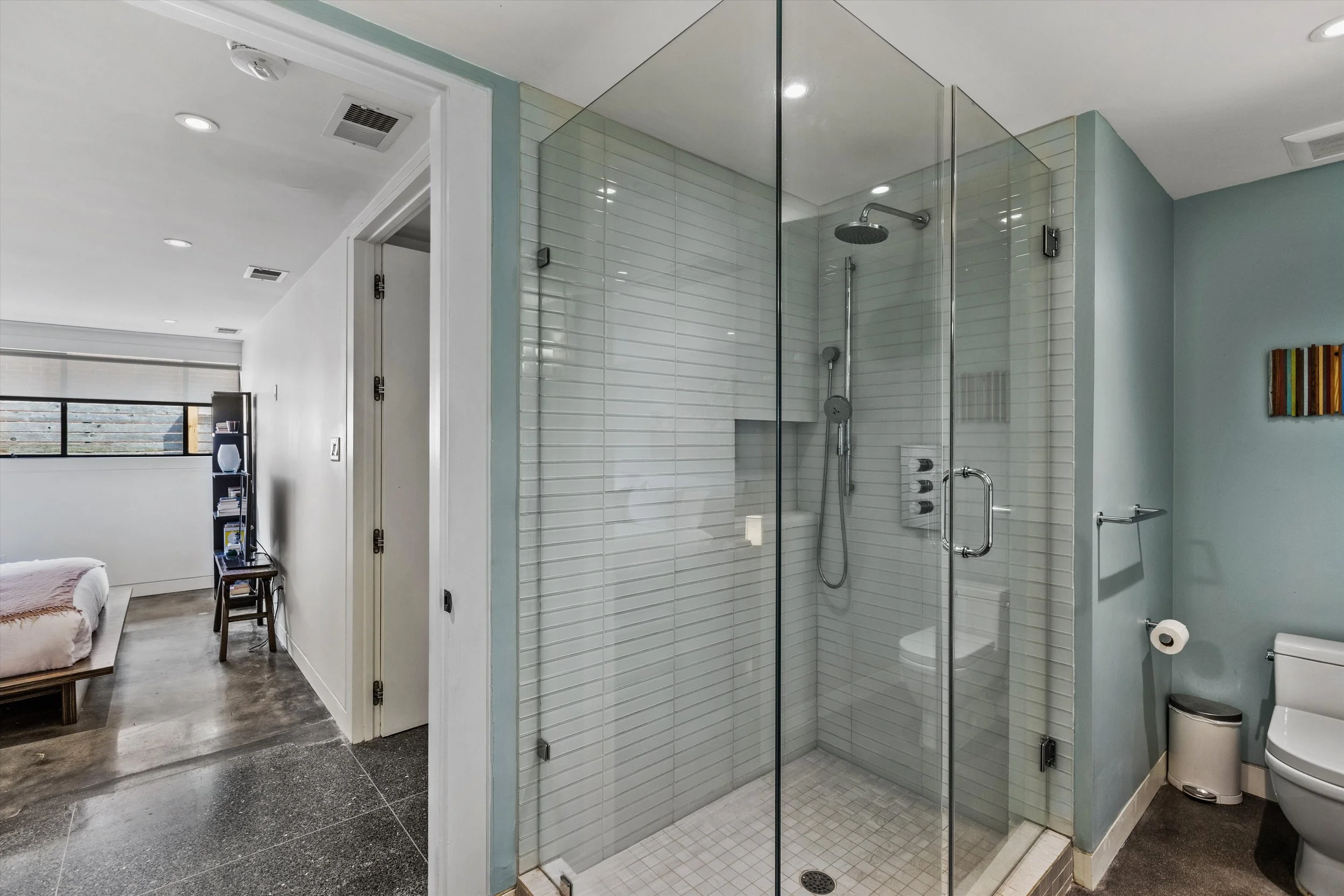
Primary bath glass shower
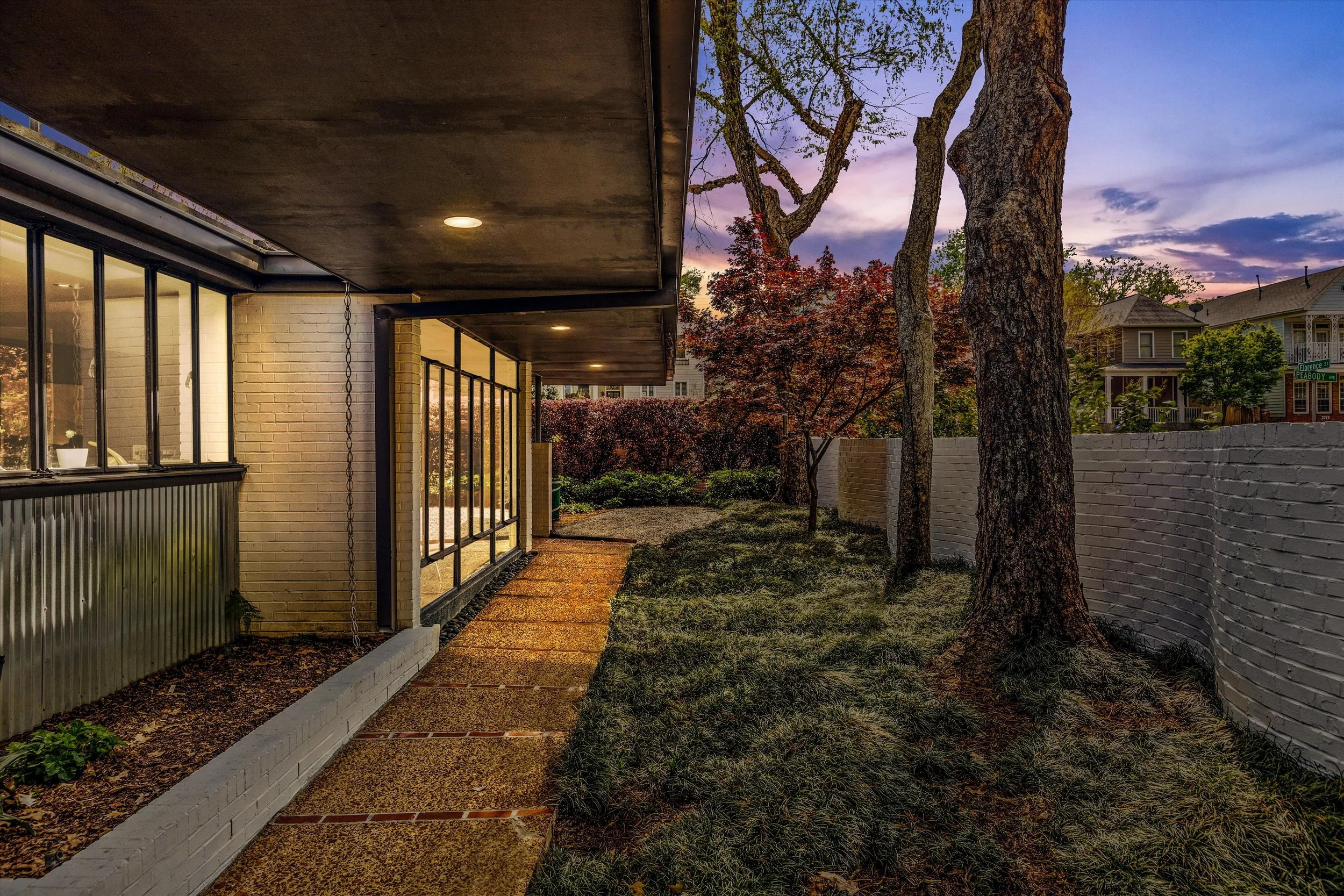
Side terrace in the evening
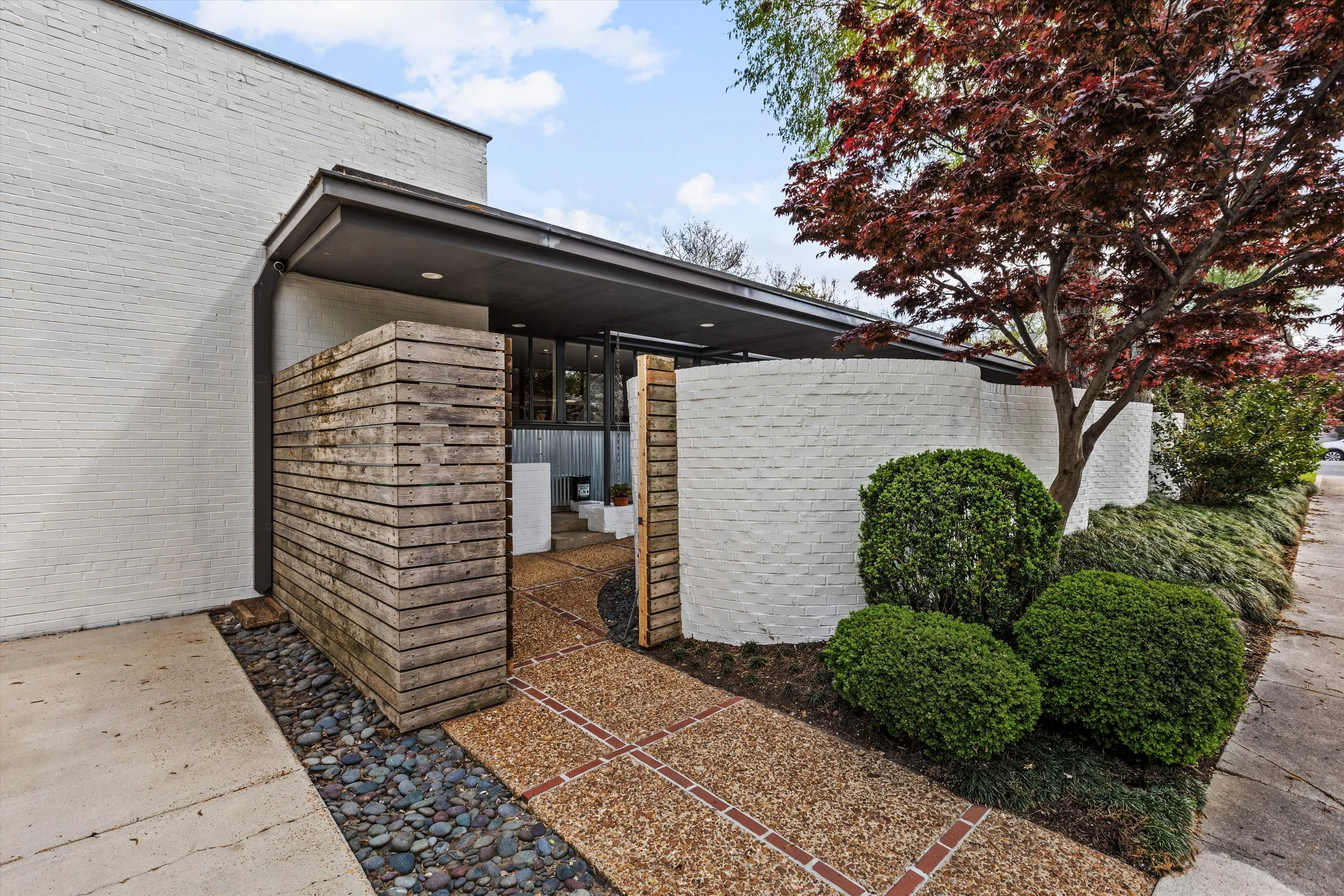
Rear entrance
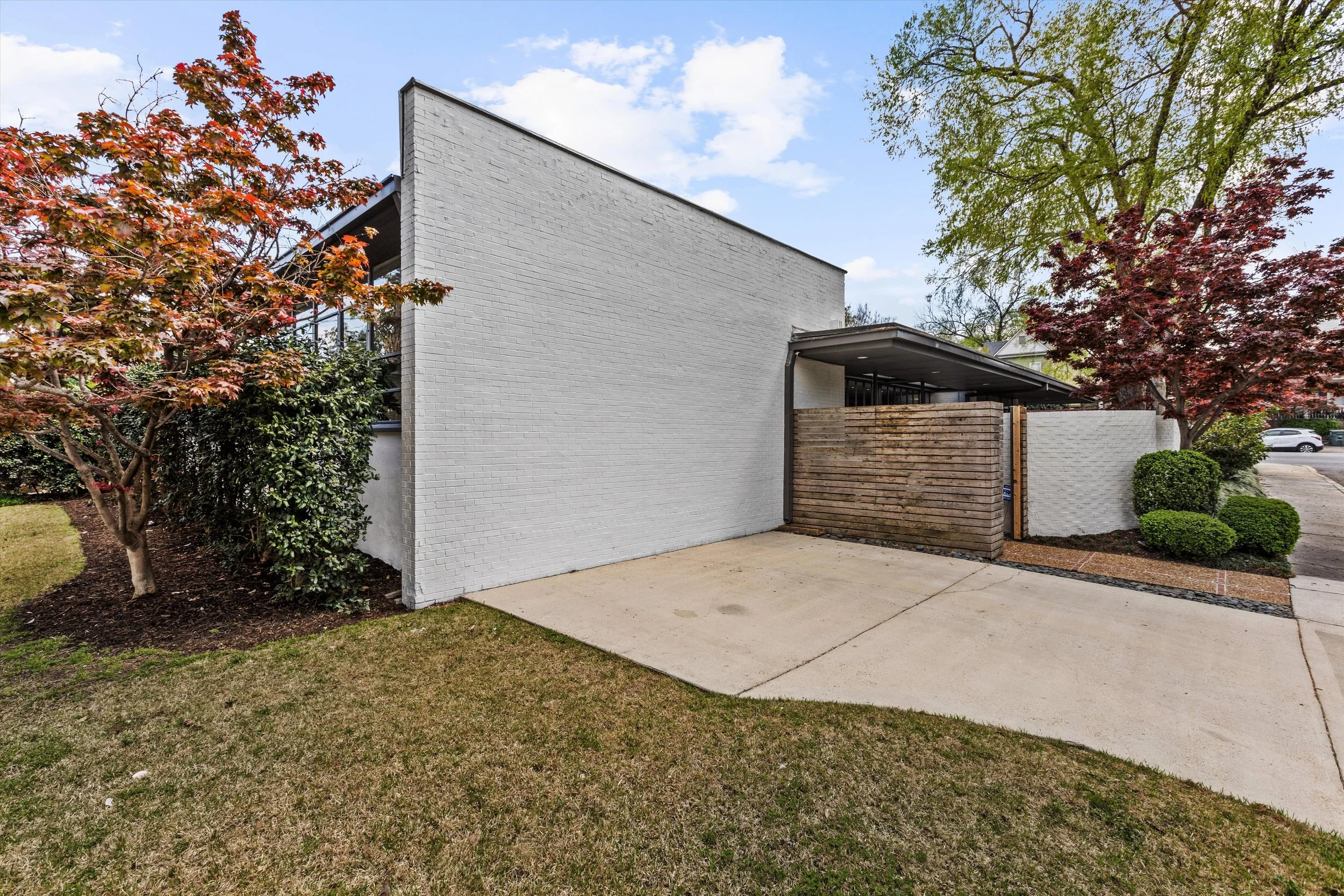
Off-street parking
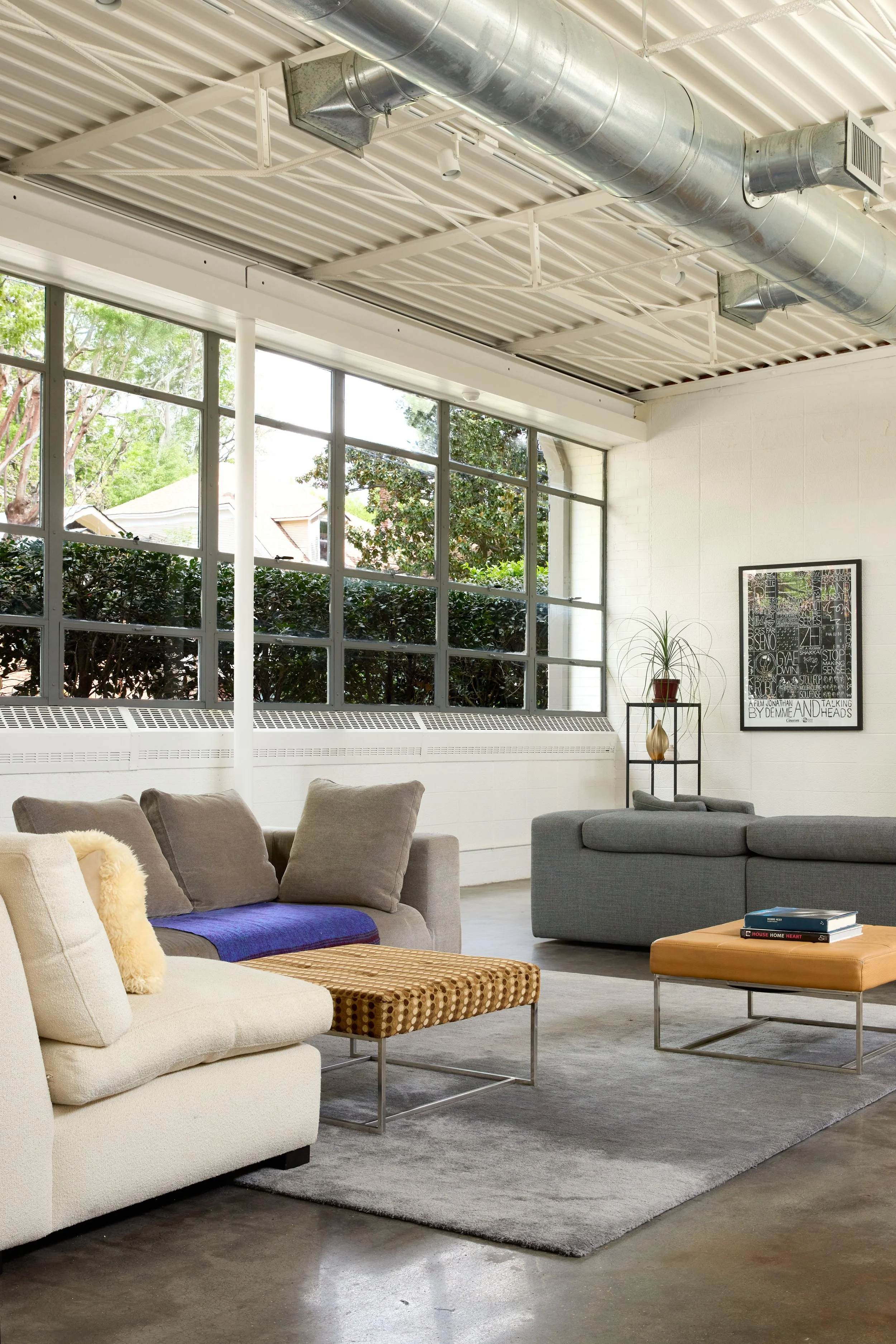
Window detail
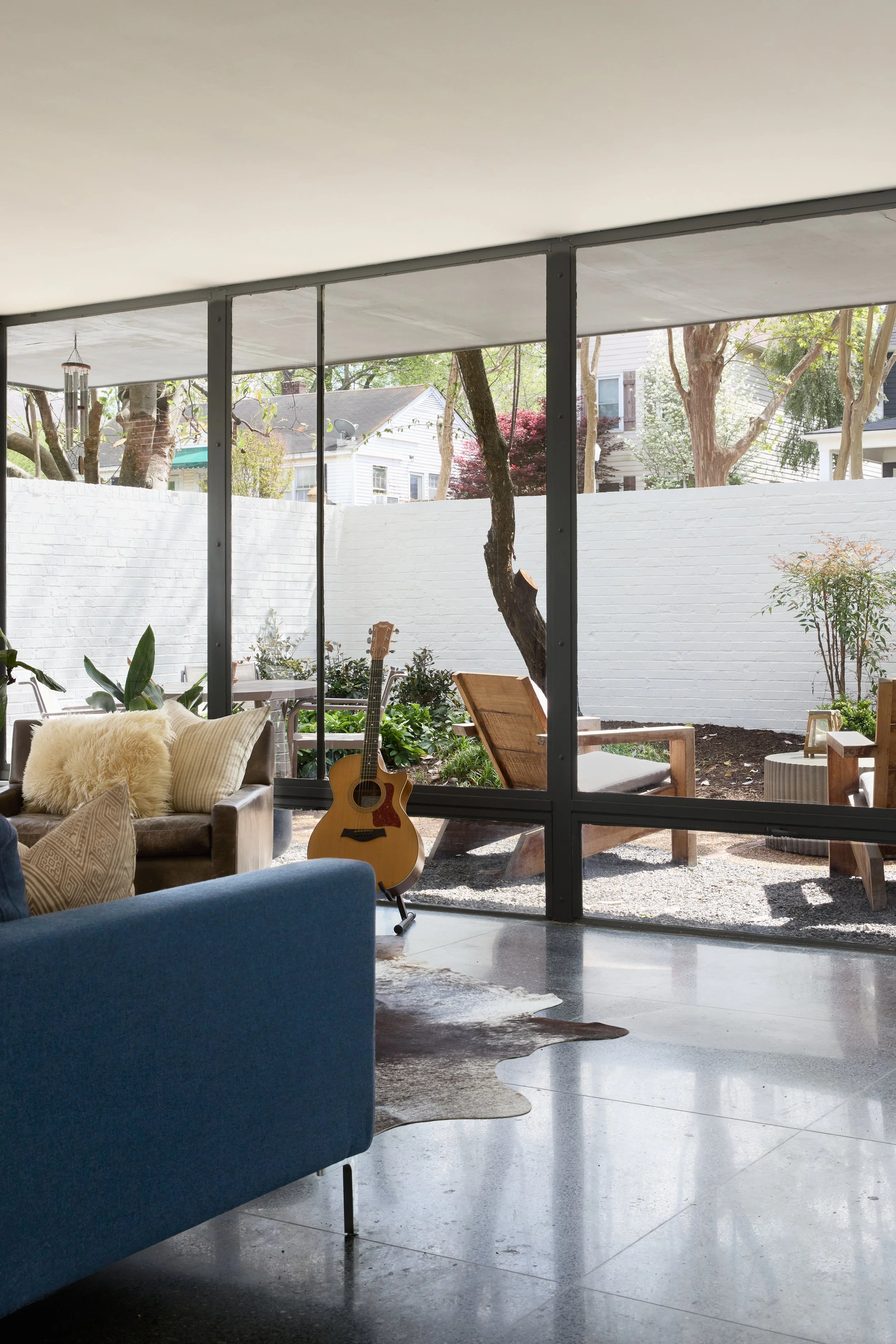
Floor to ceiling den windows
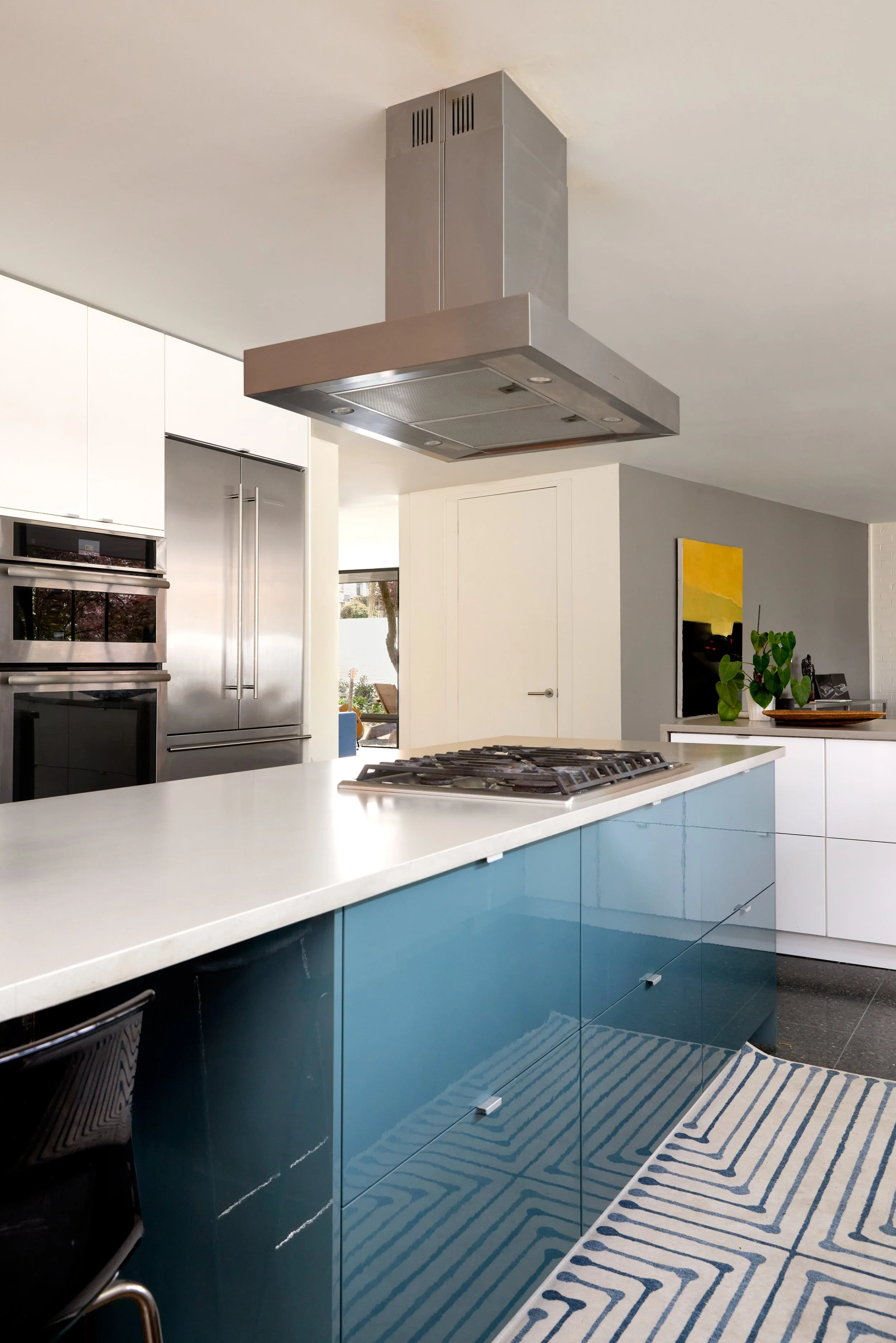
Island detail
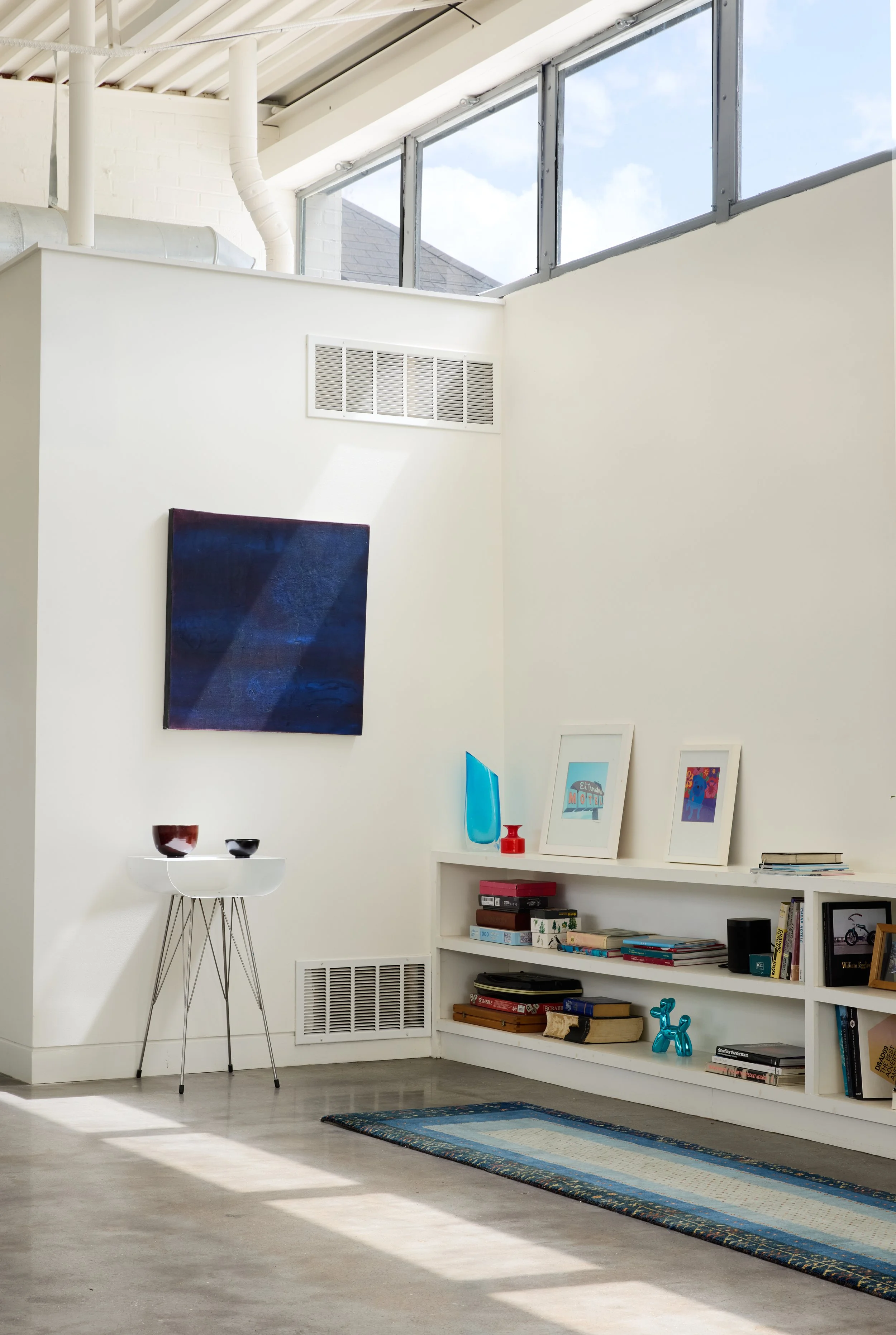
Light and shadow
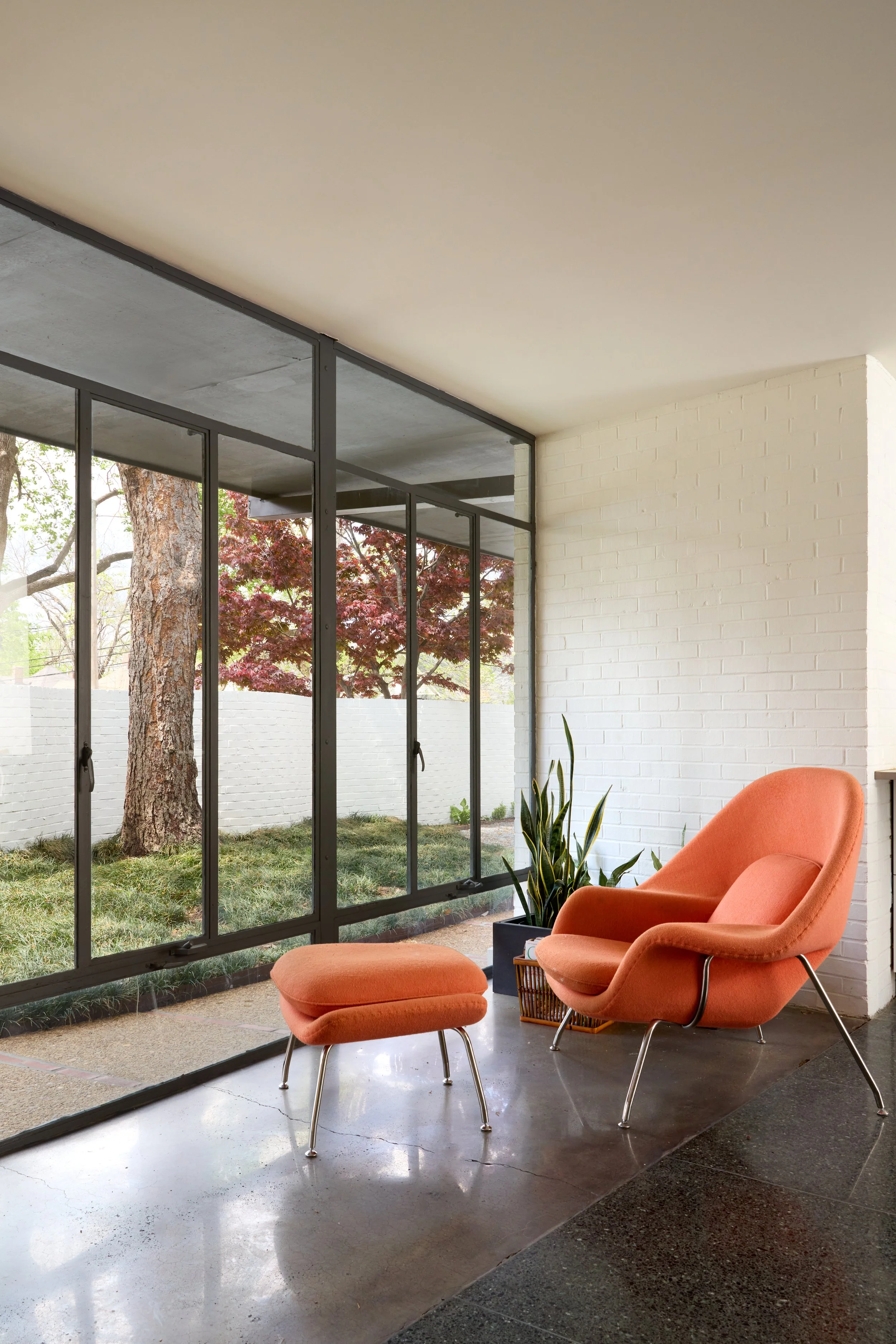
Entrance hall detail
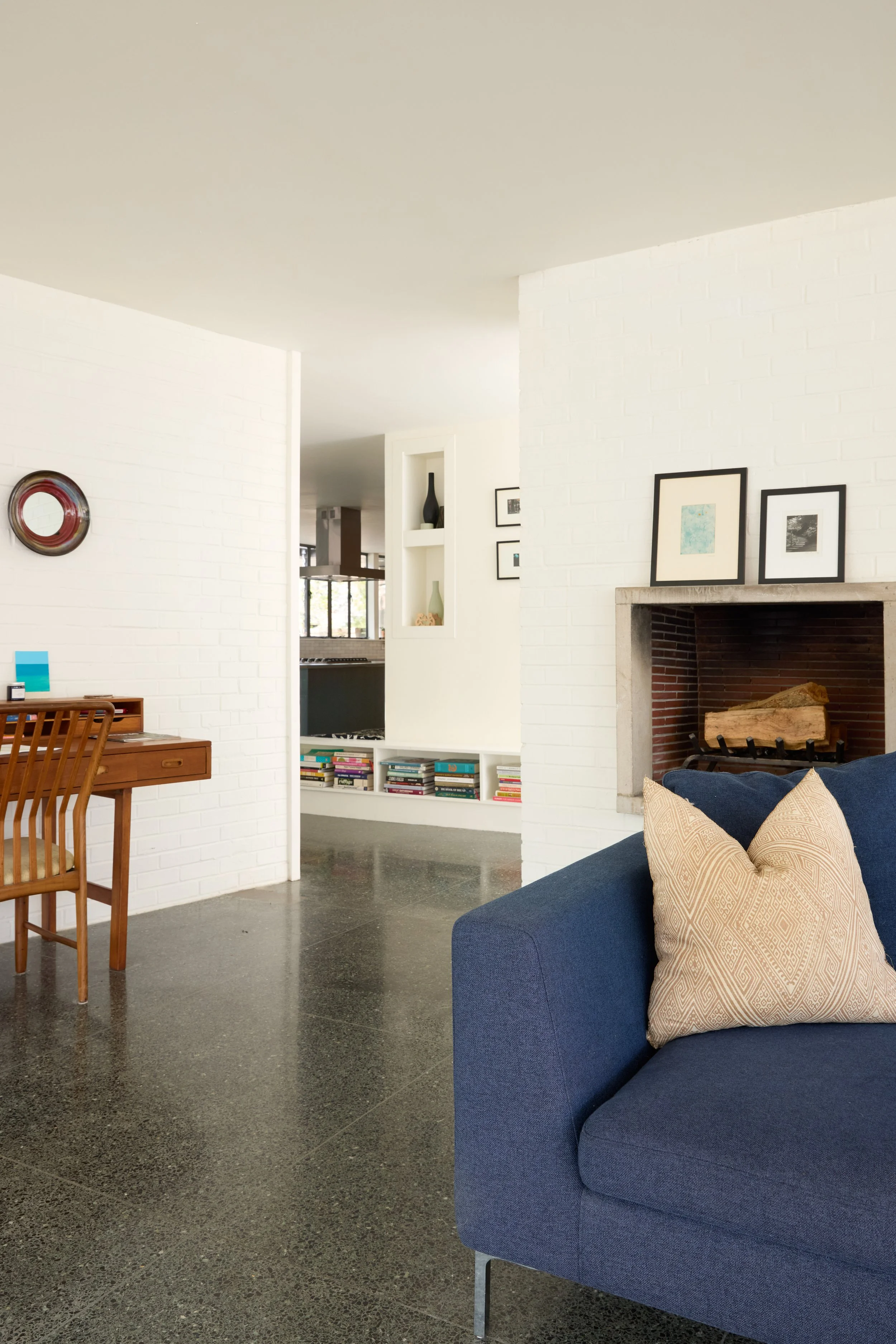
Den looking back toward kitchen
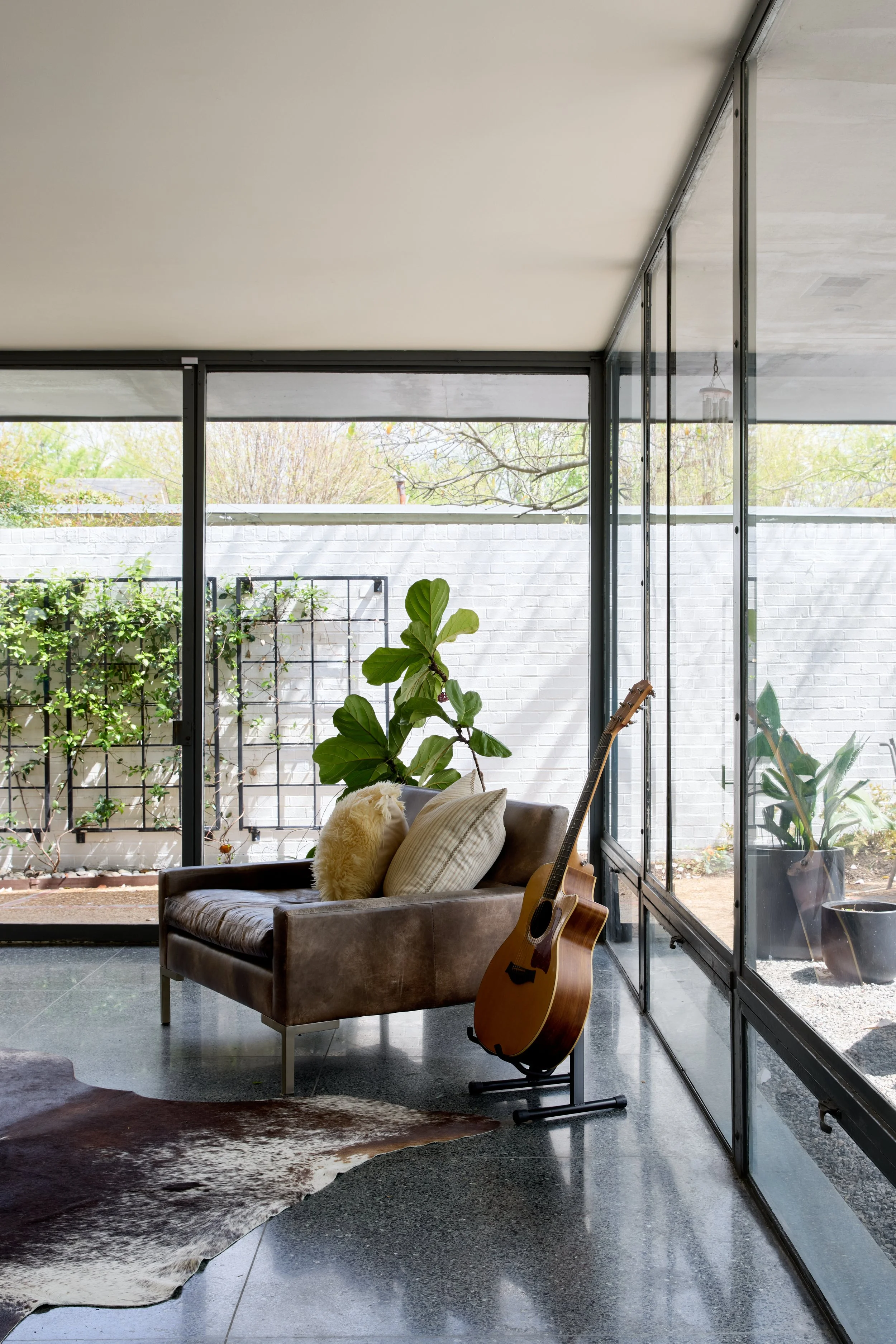
Serenity in the city
Architecture
Exterior and Structural Design
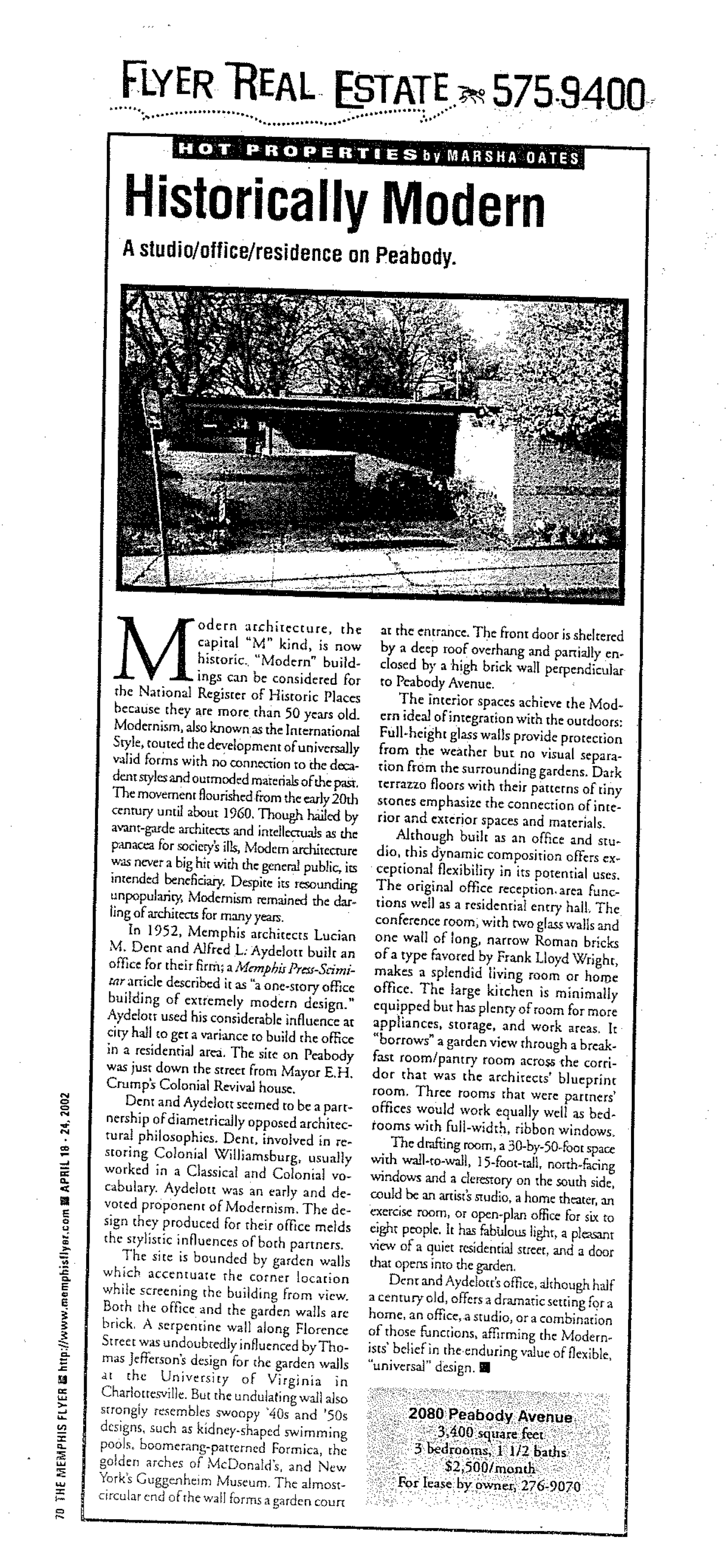
Serpentine Brick Wall: One of the most distinctive features is the original, undulating brick wall that surrounds the property. This biomorphic form provides privacy for the glass-walled interior while serving as a distinct object of beauty.
Deep Roof Overhangs: The home features wide, flat roof overhangs that were cleverly designed to keep the interior cool even in the Memphis heat.
Integration with Nature: The design emphasizes an ideal integration of indoor and outdoor spaces, with gardens that feel like an extension of the interior rooms.
Light and Windows
Glass Walls: The home utilizes full-height glass walls that provide views of the surrounding gardens without visual separation.
Large Drafting Room/Living Space: The main studio space (now a large living room) features 15-foot-tall, north-facing windows and a clerestory on the south side to flood the area with natural light.
Skylights: Original skylights are preserved throughout the home, further enhancing the use of natural light.
Unique Interior Materials
Flooring: The interior features a mix of polished concrete and original terrazzo floors, which contain patterns of tiny stones that emphasize the connection between interior and exterior spaces.
Roman Bricks: One wall in the former conference room, now the den, is constructed of long, narrow Roman bricks, a style favored by modernists.
Exposed Industrial Elements: Following its recent renovation, the home still showcases modern industrial touches such as exposed air ducts in the high-ceilinged living area.
The home was reinvigorated and refurbished by its owners in collaboration with architect Sarah Jefferys, bringing the mid-century into the 21st century while preserving its historic character.
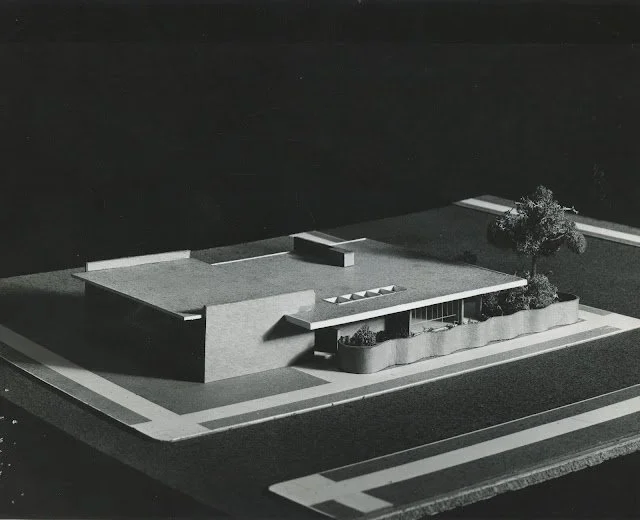
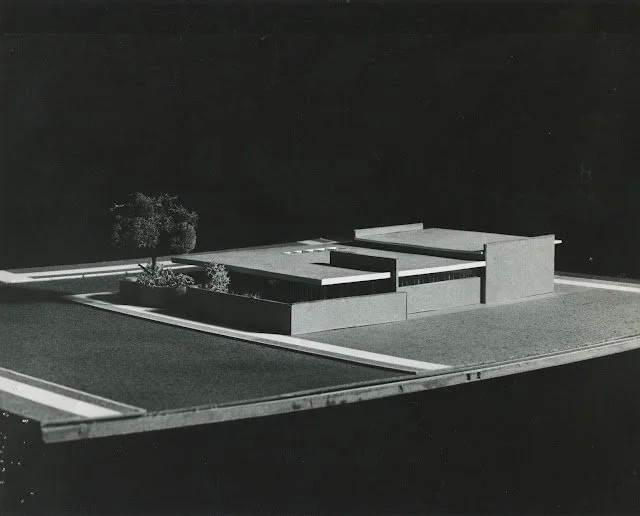
Floor Plan
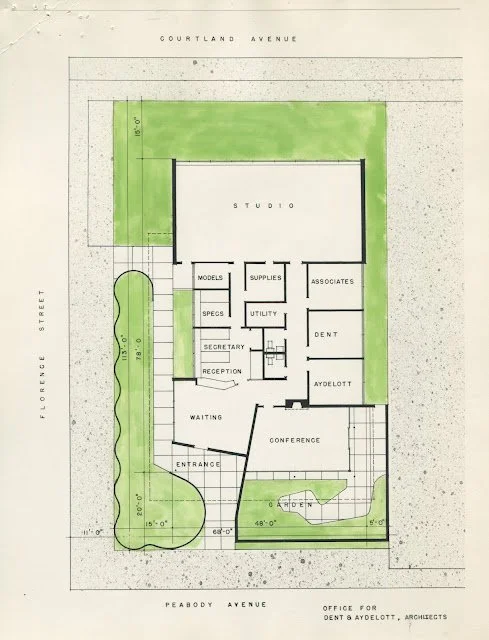
Original site plan for Aydelott & Dent office
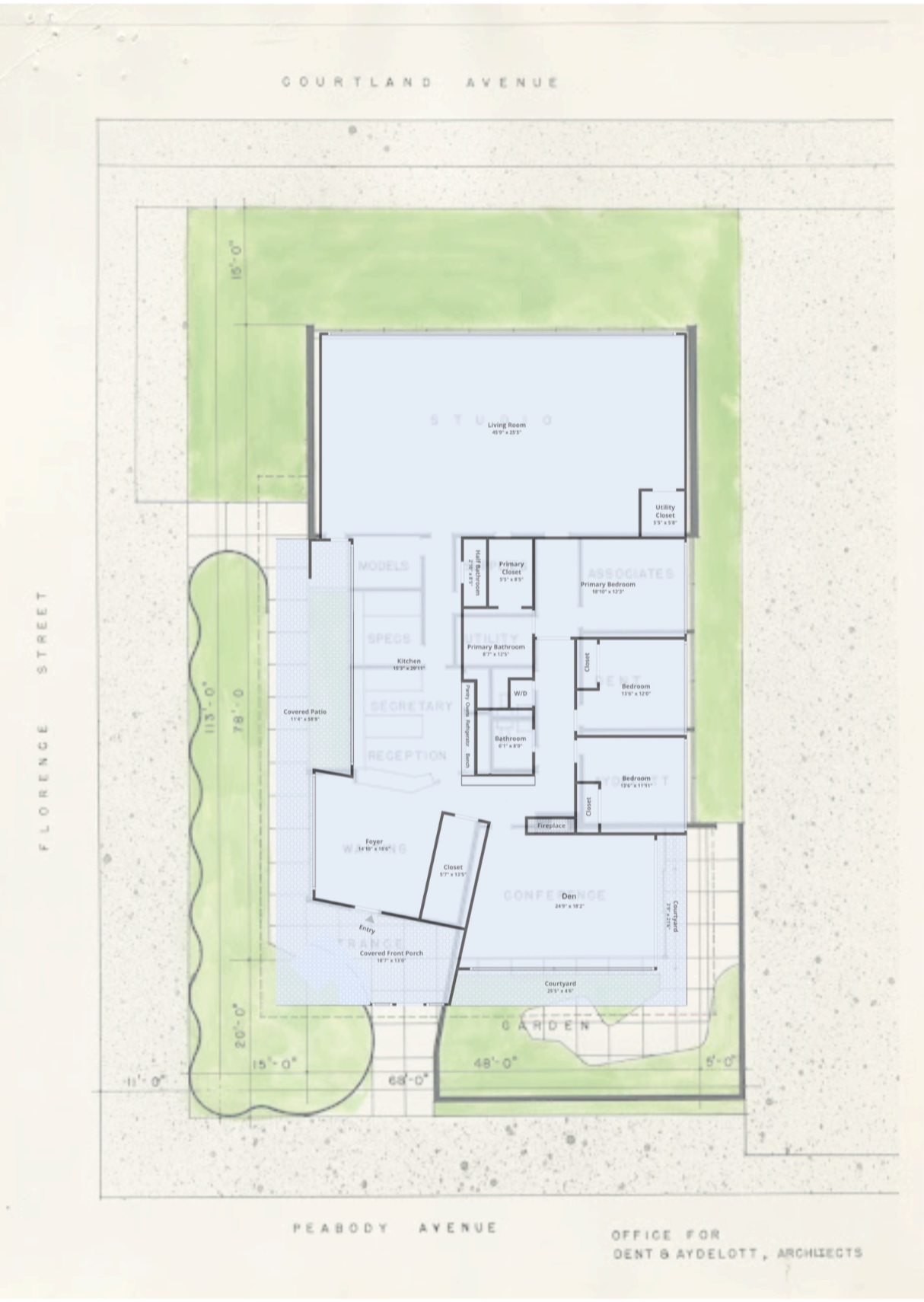
Current floor plan overlaid on original plan
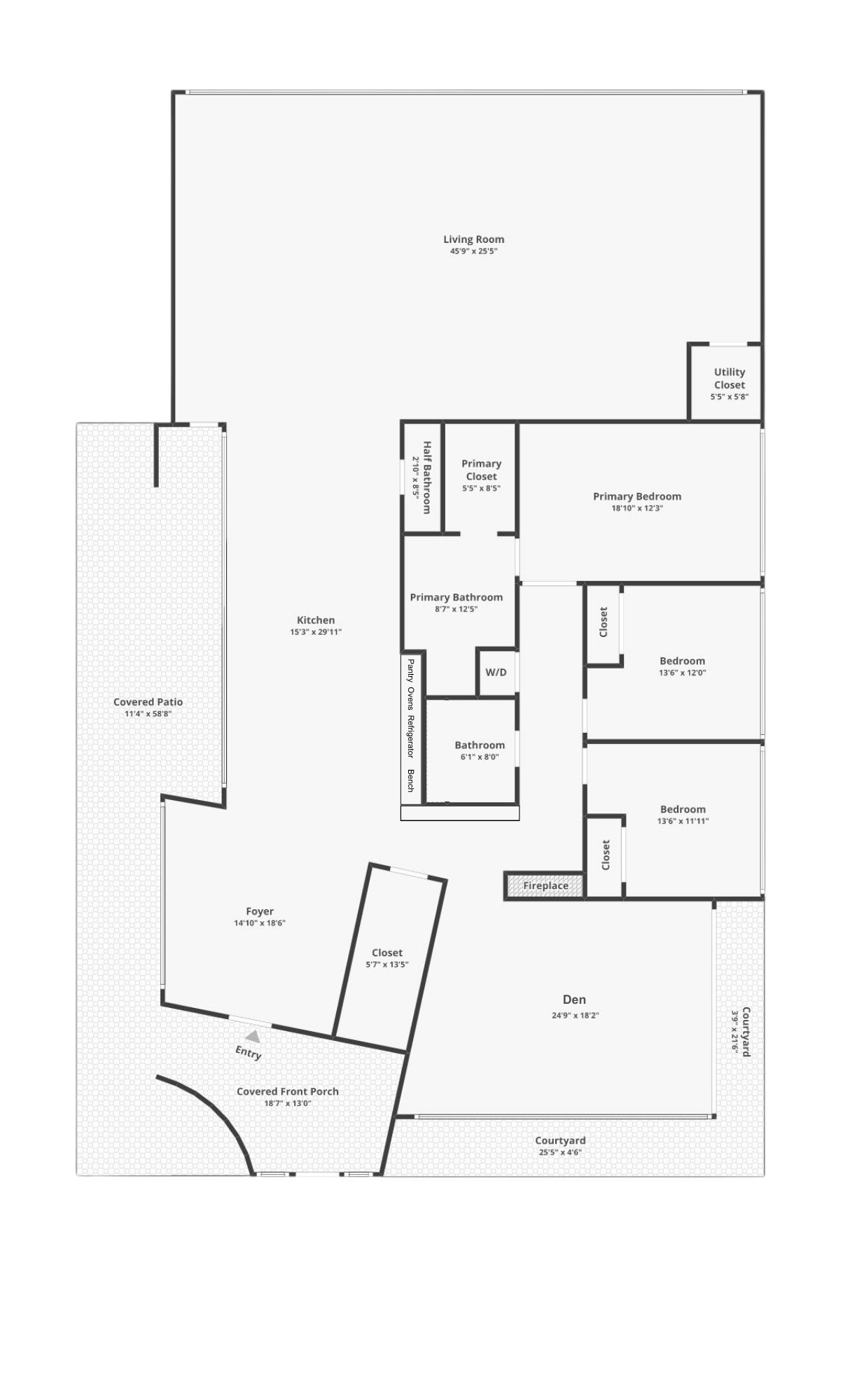
Current floor plan
The architecture firm of Dent & Aydelott bought the lot at 2080 Peabody in April 1950 and applied for permission to build their office on the residential lot.
By September of 1950, Aydelott had taken full ownership of the property and proceeded to build the modernist office for his own firm. It is perhaps thanks to that transition away from his partnership with the more classical Lucian Dent that we have the marvelous visual tension between a serpentine wall à la the University of Virginia and walls of glass à la Le Corbusier. He completed the building around 1952.
Aydelott sold the property in 1973, around the time he sold his home at 150 Waring Road and moved to California. The buyers were Zeno Yeates and William Gaskill, also architects. Their practice was there until 1991. Alonzo Davis, renowned artist, gallerist, and dean of the Memphis College of Art from 1993 to 2002, bought the property in 1994 (see the profile and rental ad for the property dating from his ownership). Davis is probably responsible for the addition of the sculpture by long-time director of the Memphis College of Art, Ted Rust, that adorns the entry. Davis sold the property in 2012 to Philip Wood. Wood began a renovation process but sold the property to the current owners in 2016 before getting fully underway.
History